
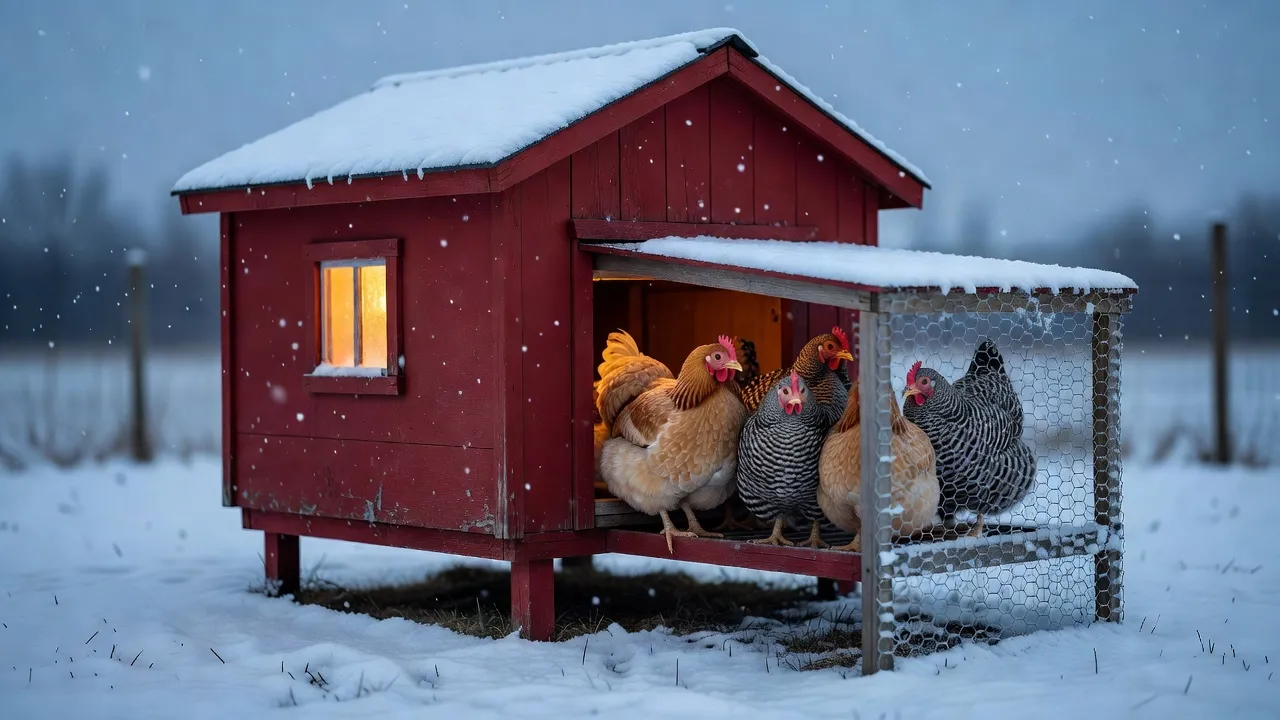
Winter Chicken Coop Gear
Dry air and no drafts come first, heat comes last. Kyle sorts out what your flock needs and what it costs.
A winter chicken coop needs dry air and no drafts first, and heat a distant third. University of Maine Extension says acclimated chickens in a draft-free coop on dry bedding do not need a heat source. University of Minnesota Extension says to add supplemental heat when the coop falls below 35°F. Kyle’s guides below sort out which advice fits your flock, then give you the gear, the running costs and the safety rules to act on it.
Where to start
Work through winter in this order, and skip the heater if the first steps solve your problem.
- Decide whether to heat. Breed, age and climate settle it. Should you heat a chicken coop lays out the extension advice by situation, with a table of calls.
- Fix moisture and drafts. UMN says high moisture plus cold makes condensation, and condensation causes frostbite. Coop ventilation covers how much vent area you need and where it goes. Coop insulation covers materials and how to keep hens from pecking them.
- Add heat only if the flock needs it. The safest chicken coop heaters compares three radiant panels by price, listing and running cost. Radiant flat panel coop heaters compares four panels by watts, mounting and clearance.
- Keep the water open. Water freezes before hens do. Heated chicken waterers ranks the electric options, and how to keep chicken water from freezing covers the rest.
The numbers worth knowing
UMN puts the supplemental-heat threshold at 35°F, measured at nest-box or lower-roost height, and says chickens can eat up to 25 percent more feed in cold weather.
A 150 W panel running nonstop costs about $20 a month at 18.16 cents per kWh, the EIA’s 2026 year-to-date US residential average. A thermostat that runs it half the time halves that cost.
The Maine Fire Marshal’s office names heat lamps, extension cords, bedding and water heaters as causes of coop fires.
Kyle skips heat lamps. If you heat, use a listed radiant panel on a thermostat and a GFCI-protected outlet, as NFPA advises for coop electrics. Chicks are a different case: NFPA says they cannot regulate their body temperature for the first few weeks, so they need supplemental heat. Brooder heat is covered in the brooder heat plate guide.
Kyle's top picks
Kyle's top pick The Safest Chicken Coop Heaters for Winter
Most flocks need dry air before heat. If you heat, buy a listed radiant panel on a thermostat. Kyle compares three chicken coop heaters, their cost and fire risk.
See the picks →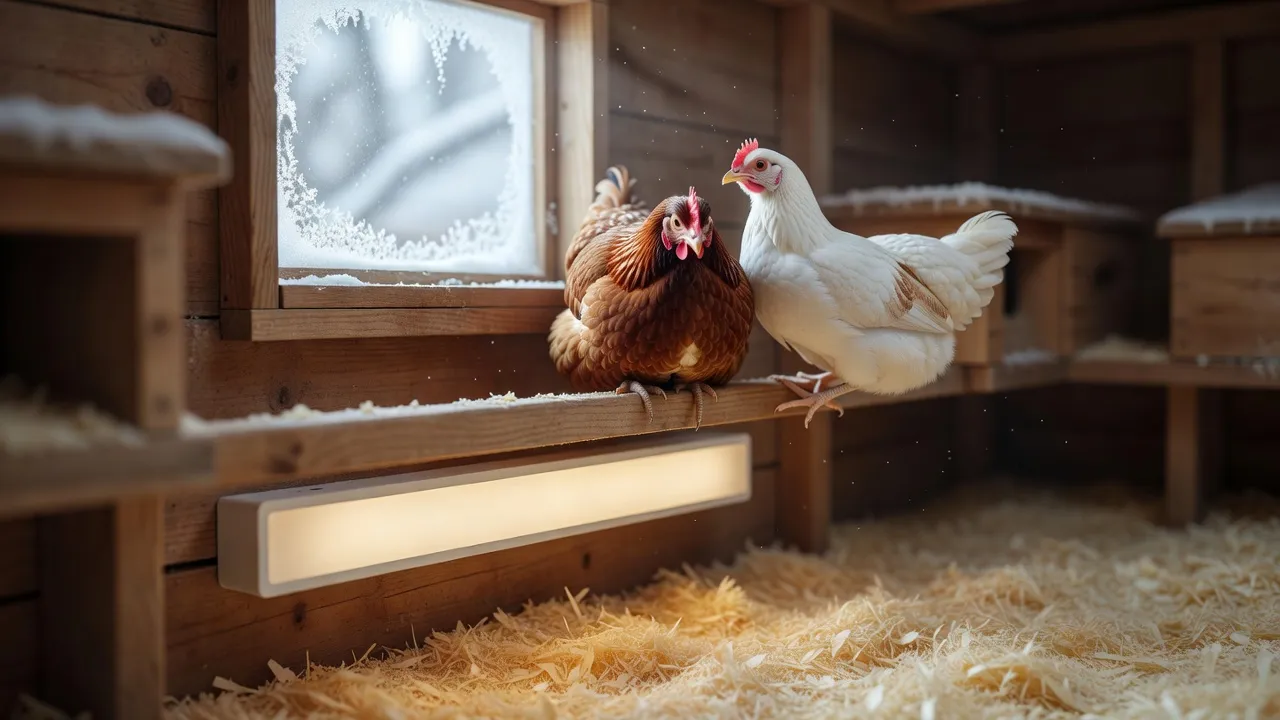
Radiant Flat Panel Chicken Coop Heaters Compared
A radiant chicken coop heater warms birds, not air. Four flat panels compared by watts, monthly cost, safety listing and mounting, with prices checked 2026-10-09.
See the picks →Guides
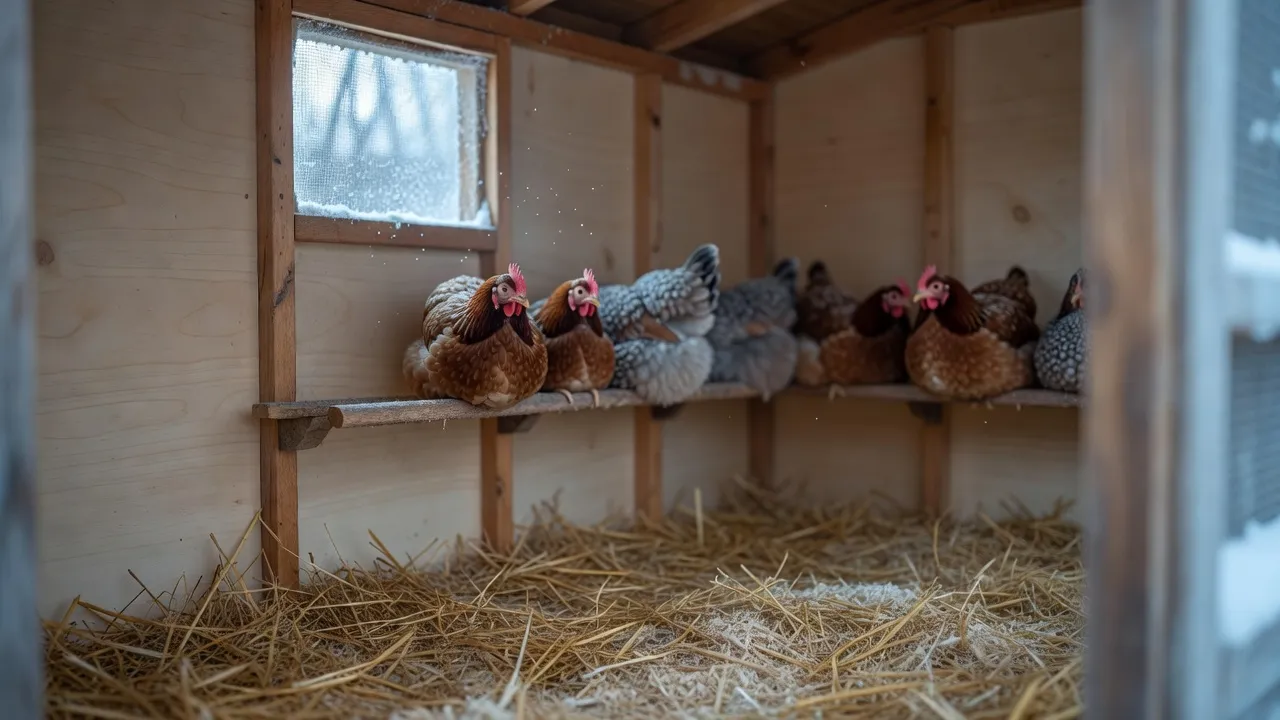
Insulation for a Chicken Coop (Without Trapping Moisture)
Insulation for a chicken coop is optional, but dry, draft-free air is not. Kyle compares foam, batts and spray foam and shows how to keep hens off the foam.
Read the guide →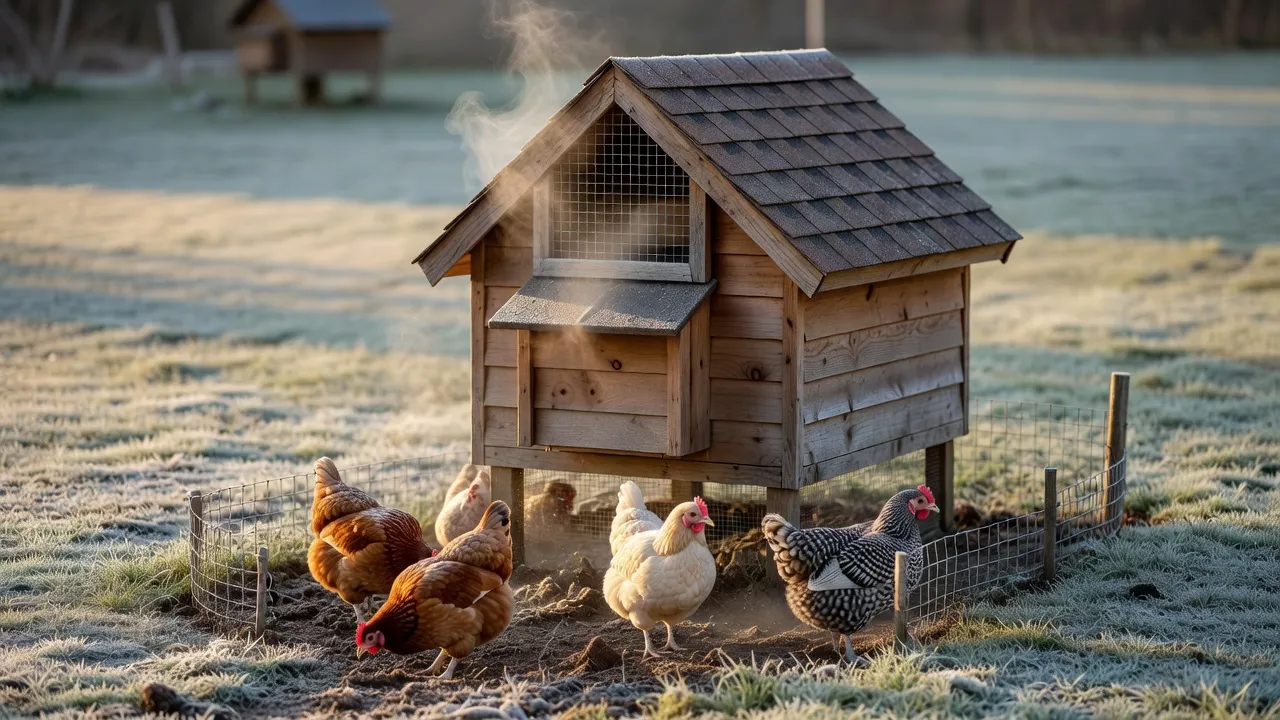
How to Vent a Chicken Coop: How Much Ventilation You Need
How to vent a chicken coop: a 1-per-10 rule for vent size, where the vents go and how to keep air moving in winter without a draft. Includes a calculator.
Read the guide →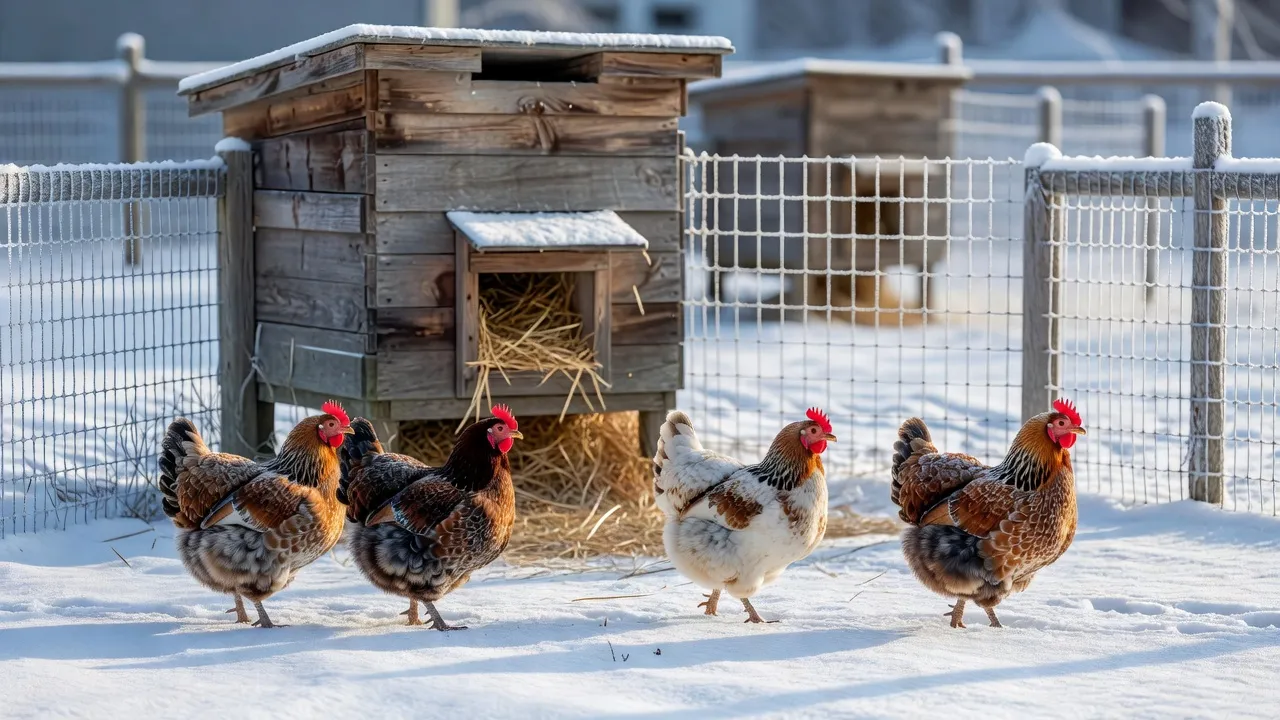
Heating a Chicken Coop in Winter: Do You Need To?
Do chickens need heat? Two extension services disagree. Kyle sorts heating a chicken coop by breed, climate and moisture, and shows the safe way to add heat.
Read the guide →Questions people ask
Do chickens need a heater in winter?
Not always. University of Maine Extension says chickens do not need a heat source when they are acclimated, in a draft-free coop and on dry bedding. University of Minnesota Extension advises supplemental heat when the coop falls below 35°F, and says smaller, lightly feathered breeds need extra care. Kyle sorts it out by breed and climate in should you heat a chicken coop.
What should I do to my coop before winter?
Seal drafts, keep vents open for moisture, bed deep and dry, and give birds a wooden roost at least 12 inches off the floor with 9 inches per bird, per University of Minnesota Extension. Then check your feed and water plans. Start with coop ventilation and coop insulation.
How much does it cost to heat a chicken coop?
A 150 W panel running nonstop costs about $20 a month at 18.16 cents per kWh, the EIA's 2026 year-to-date US residential average. A thermostat that runs it half the time halves that. The safest coop heaters page has a calculator that takes your own rate.
How do I keep chicken water from freezing?
University of Minnesota Extension lists heated founts, heated bases and covered heated dog dishes, and says to set the waterer on a stand and keep a spare on hand. Kyle's picks are in heated chicken waterers, and keeping chicken water from freezing covers the no-electric options.
How much ventilation does a coop need in winter?
Enough to clear moisture and ammonia. University of Minnesota Extension says to increase ventilation if you smell ammonia or see moisture collecting on windows or objects, because moisture plus cold causes frostbite. The vent-area rule and placement are in how much ventilation a coop needs.
Keep exploring
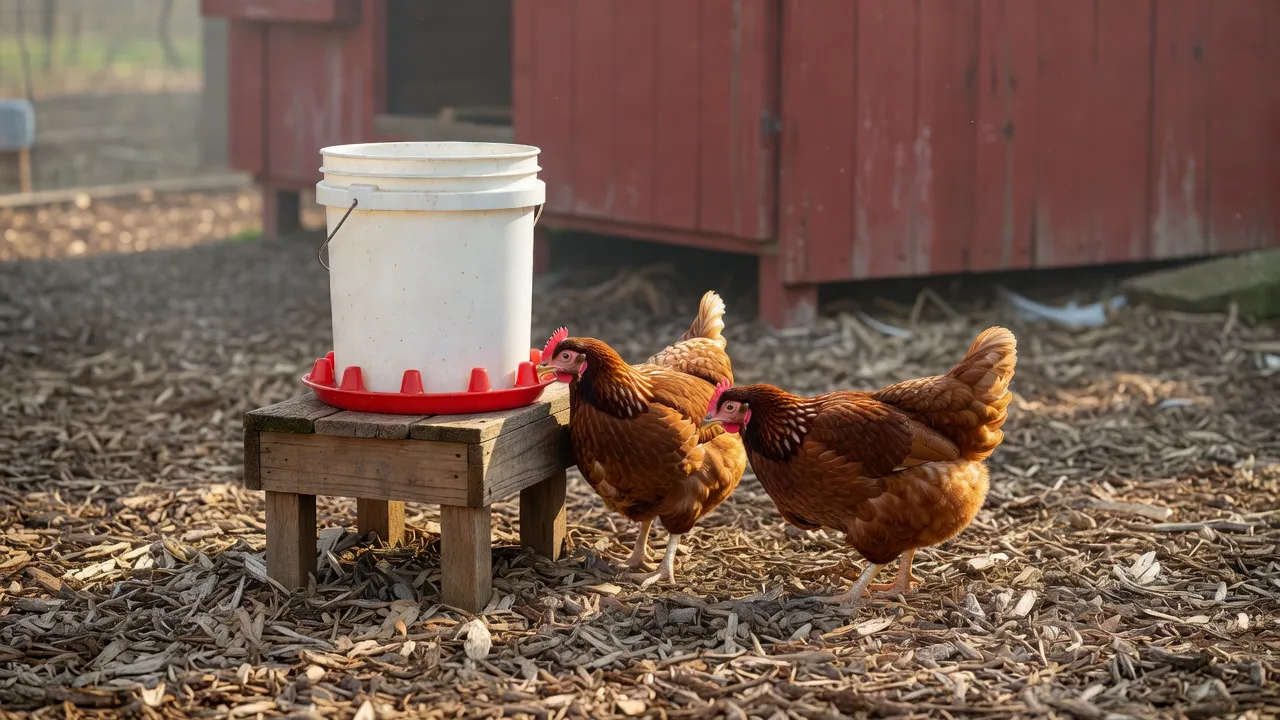
Chicken Waterers
A chicken waterer has to hold water, resist tipping and survive winter. Kyle compares heated, nipple and automatic waterers and links the owner complaints.
Open the hub →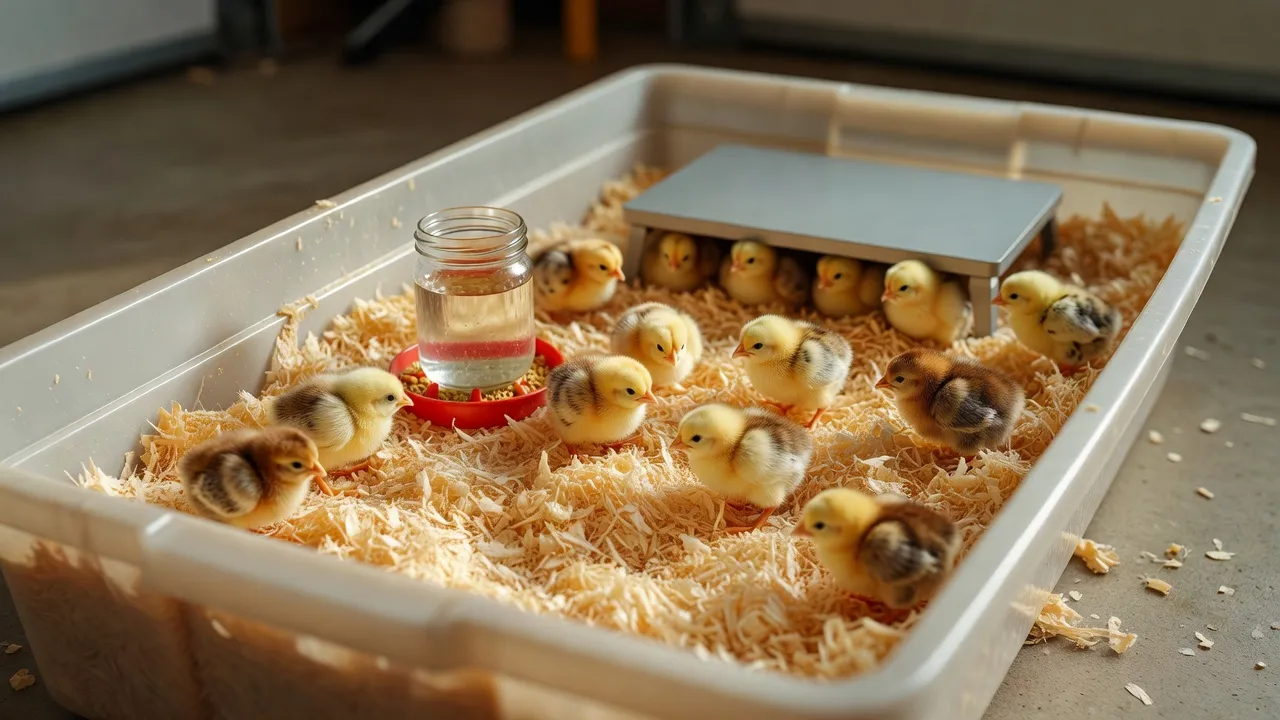
Chick Brooders
A chick brooder has to hold steady heat and stay safe. Kyle covers brooder picks, heat plates and week-by-week temperatures from extension sources.
Open the hub →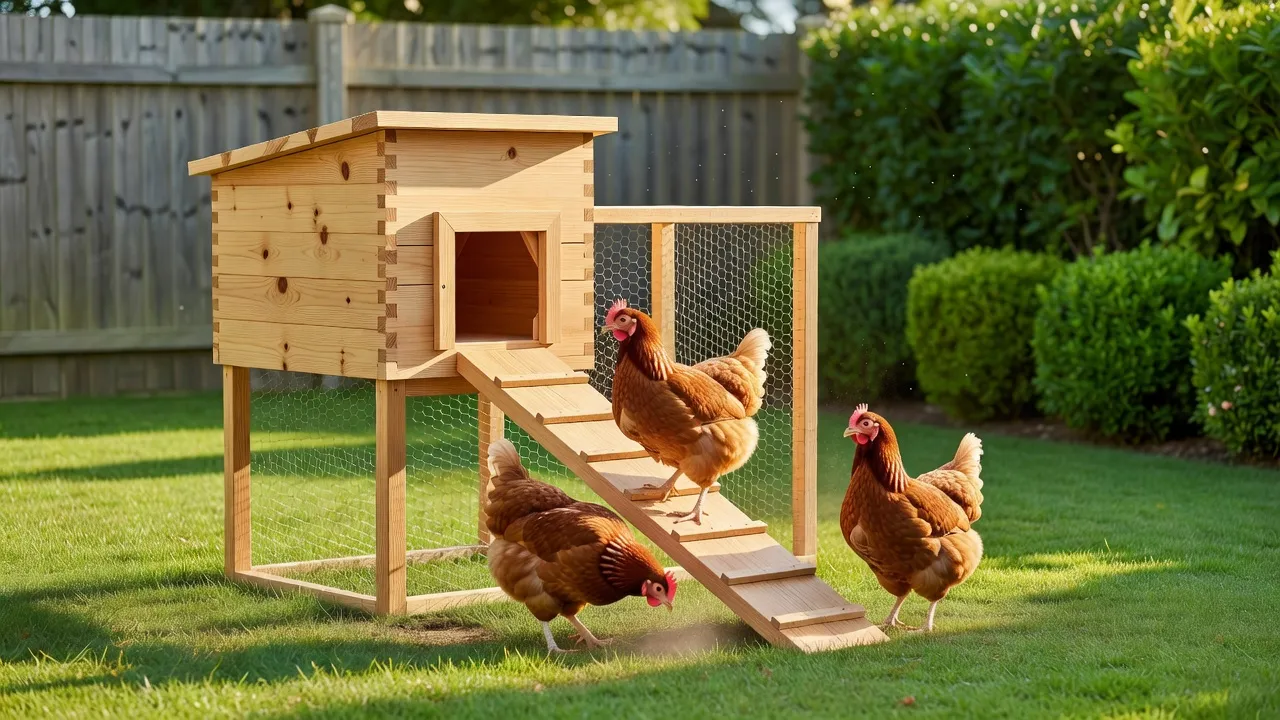
Chicken Coops
Chicken coops come as kits, portable tractors and walk-ins, and a coop sold for 10 hens often fits 5 to 8. Kyle explains what to buy for your flock, with sources.
Open the hub →