
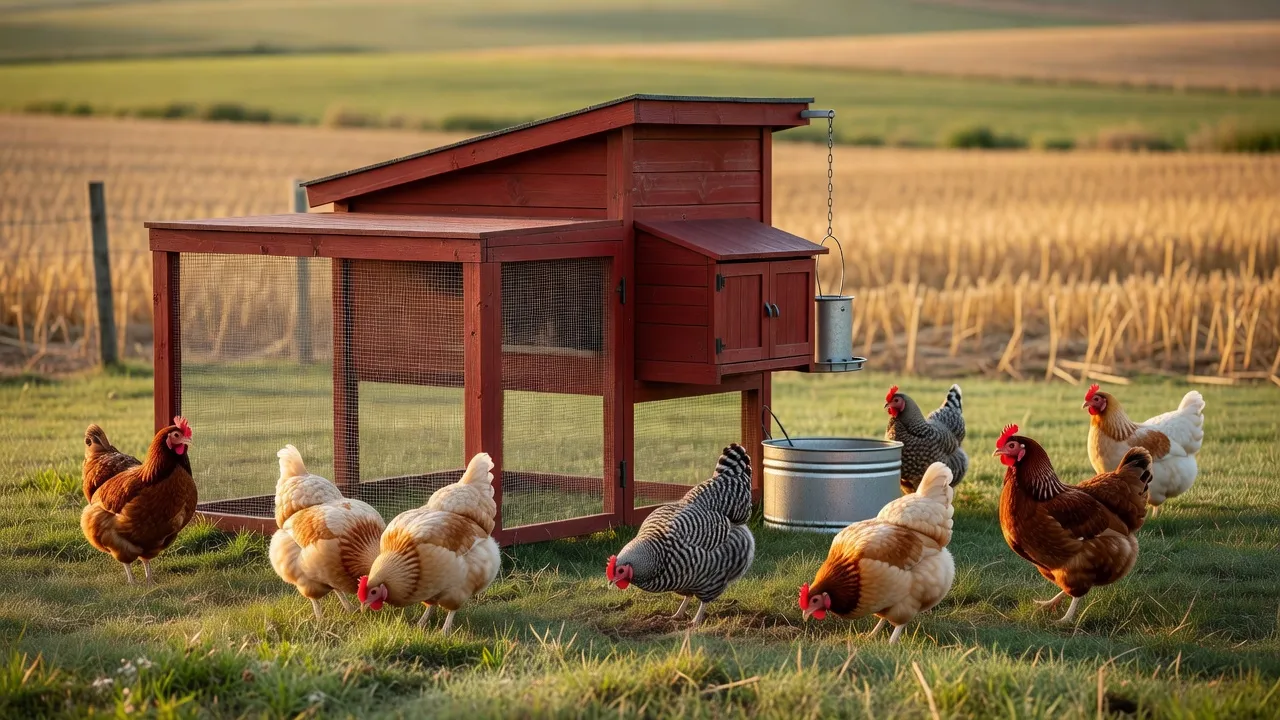
Chicken coop supplies worth buying
Find equipment that fits your flock and your budget, with clear comparisons and owner reports to help you decide.
What are you shopping for?
Go straight to the comparison for your next purchase.
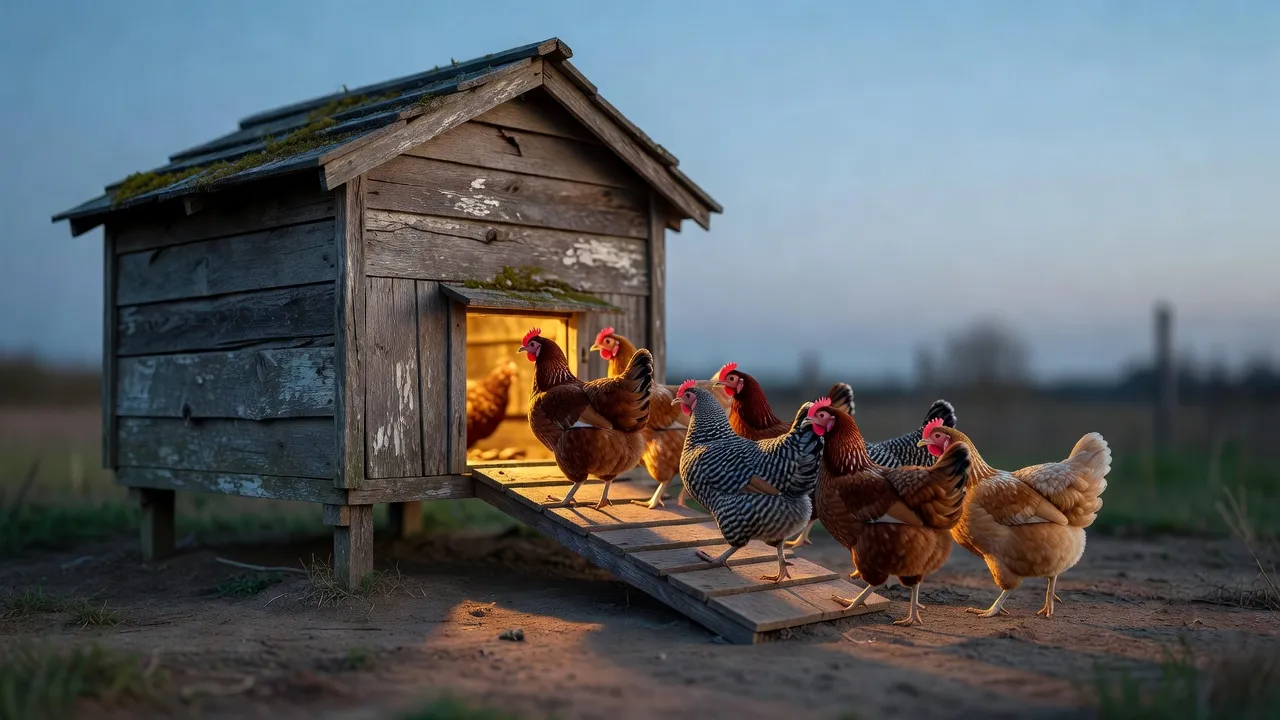
The Best Automatic Chicken Coop Doors for 2026
The best automatic chicken coop door locks shut, stops for a hen in the way and has power you can count on. Kyle compares six by price, specs and owner reports.
Compare options →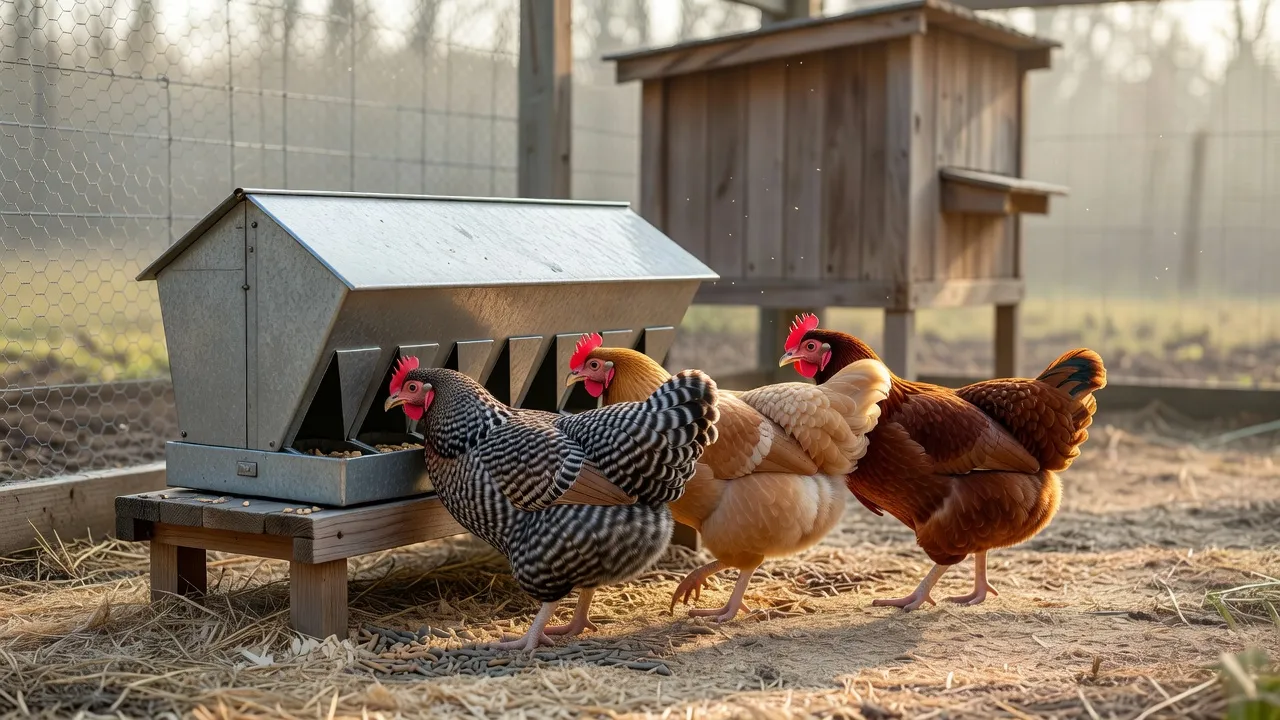
The Best Chicken Feeders for Backyard Flocks
The best chicken feeder for most flocks is a covered feeder that holds a week of feed. Kyle compares eight picks with sourced intake numbers and owner complaints.
Compare options →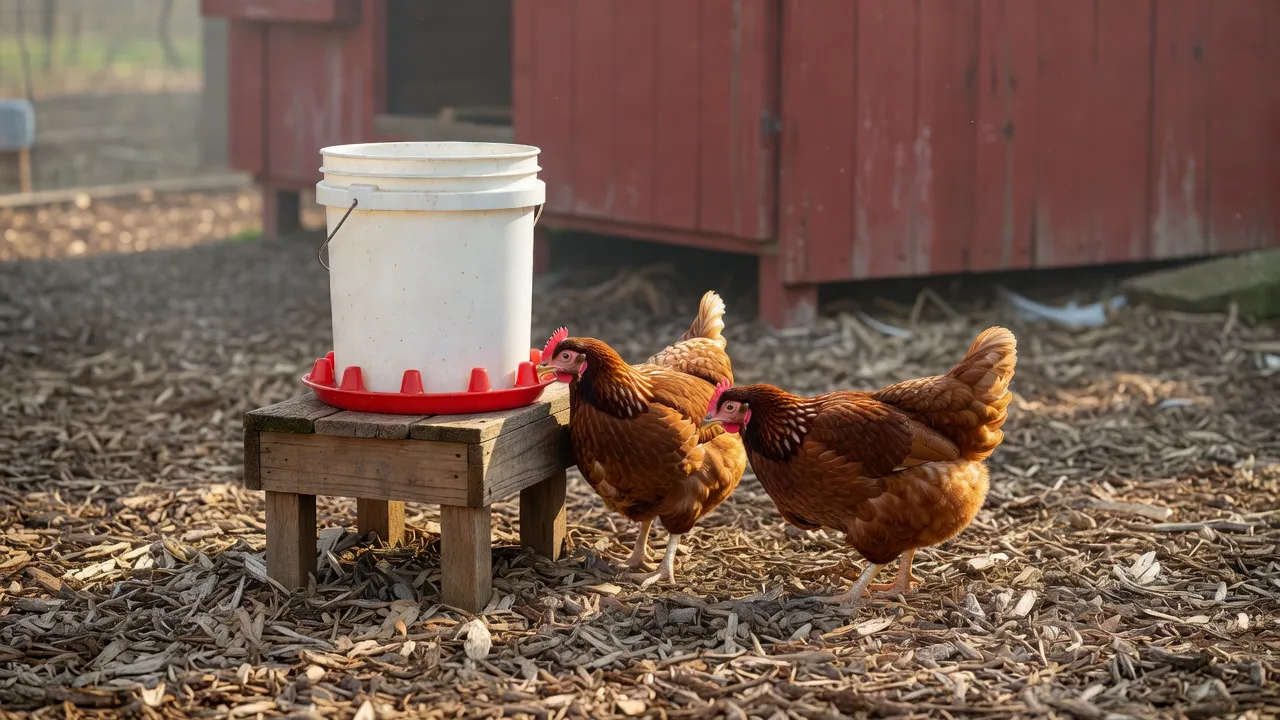
The Best Chicken Waterers for Backyard Flocks
The best chicken waterer for most flocks is a covered 5-gallon nipple bucket. Kyle compares specs, prices and owner complaints, with a flock-size table.
Compare options →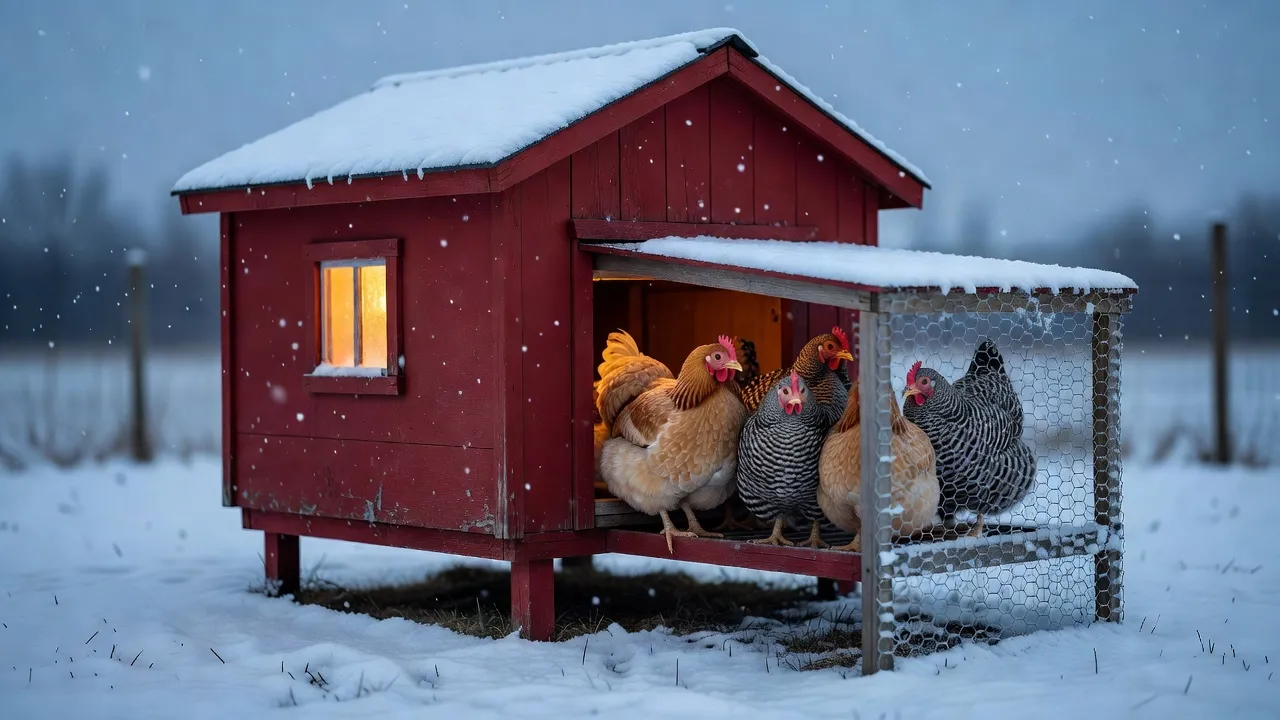
The Safest Chicken Coop Heaters for Winter
Most flocks need dry air before heat. If you heat, buy a listed radiant panel on a thermostat. Kyle compares three chicken coop heaters, their cost and fire risk.
Compare options →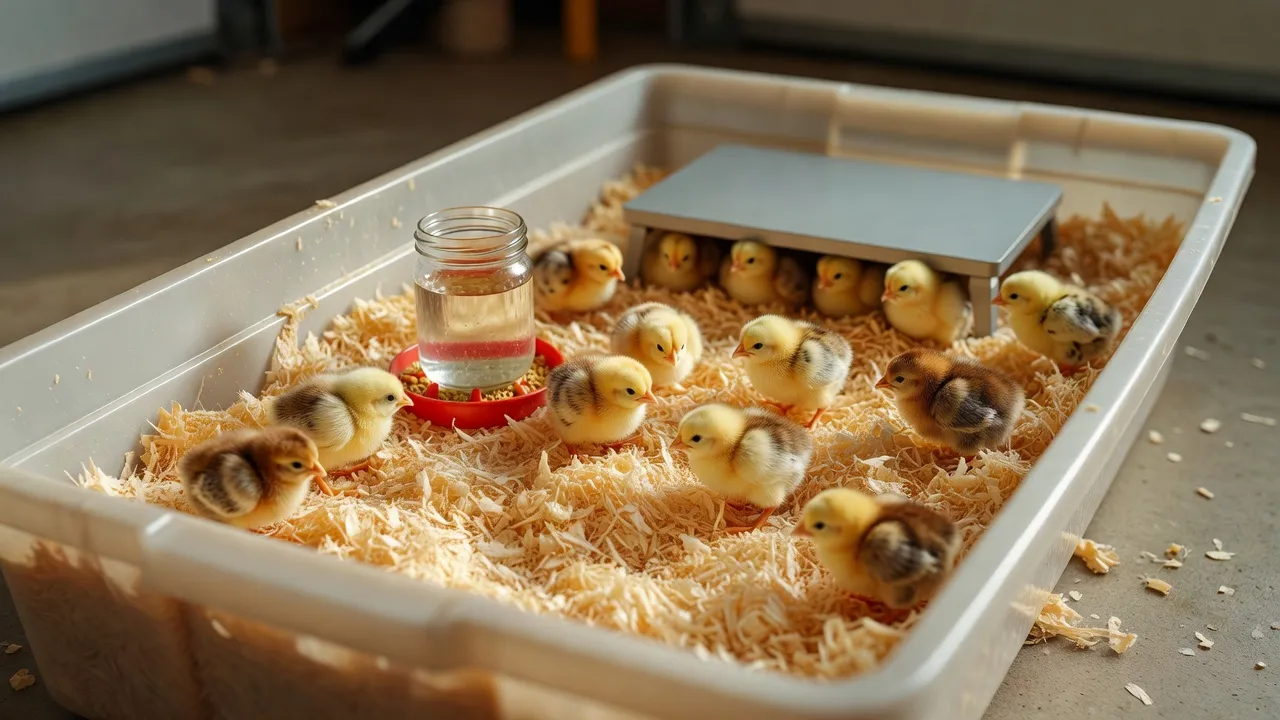
The Best Chick Brooder Boxes and Kits for Backyard Chicks
The best chick brooder box gives each chick 0.5 sq ft to week 4. Kyle compares kits and heat plates with prices, floor-space math and extension sources.
Compare options →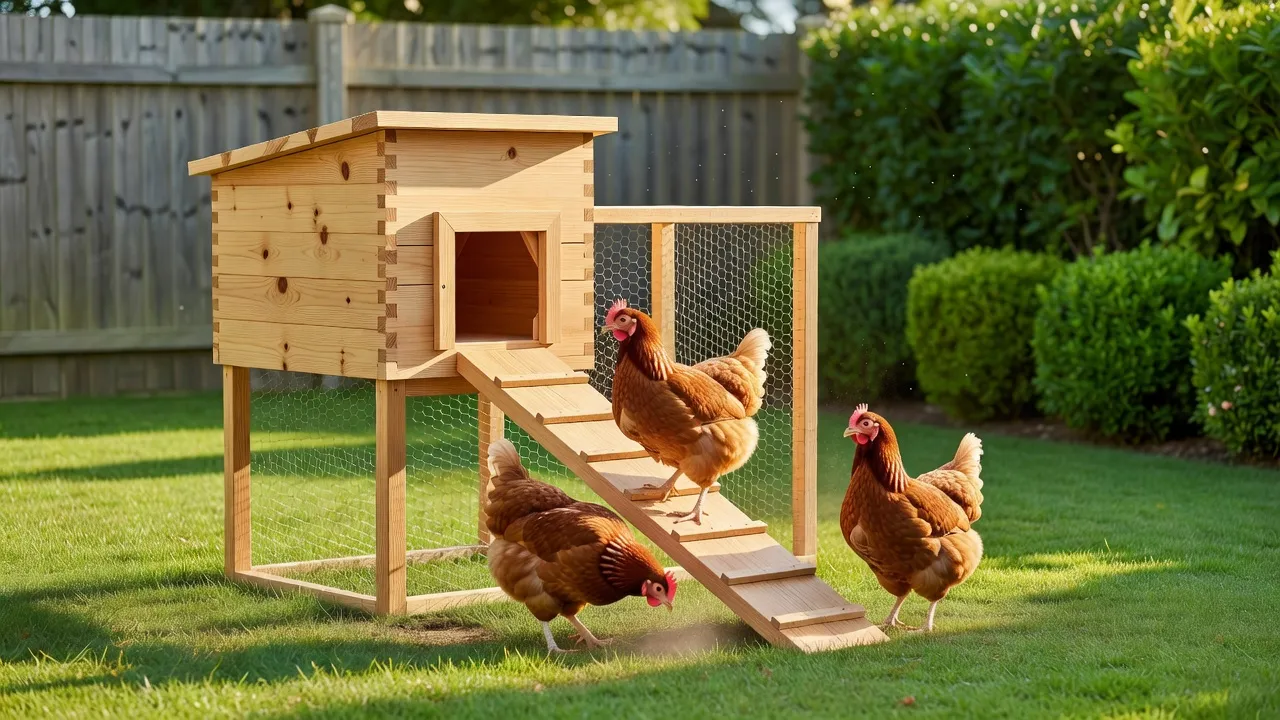
The Best Chicken Coop Kits for Every Flock Size
Compare chicken coop kits by published dimensions, price and shipping. Check usable indoor floor area against extension space rules before choosing.
Compare options →Some product links earn us a commission at no extra cost to you. How affiliate links work.
Need help with the coop?
Browse the setup, care and troubleshooting guides.
Getting your first hens? Work through the essentials.
The math behind the gear

Kyle has kept backyard chickens on his own small farm for five years. He started Raising Chickens to answer the questions he kept hearing at the feed store, with sources instead of guesses.
About Kyle and Raising ChickensRaising Chickens is a buyer’s guide to chicken coop supplies for backyard chicken keepers. It covers automatic doors, heaters, waterers, feeders, brooders, nesting boxes and the fixes that keep predators out. Kyle has kept hens on his own small farm for five years, and each page gives his pick first, then the numbers and the owner complaints behind it.
What holds up and what doesn’t
Gear fails at night, in a freeze or when a raccoon works a latch, so those are the failures Raising Chickens looks for in the specs and the owner reports. Cornell Cooperative Extension calls predation the most common cause of death in small flocks. That is why the predator guides and the best automatic coop doors come first for most new keepers. The door failure guide links the owner reports on doors that froze, lost Wi-Fi or closed with hens still outside.
Winter and water
Winter gear costs real money, so check the math first. A 100 W heater running nonstop costs about $13 a month at the 18.16 cents per kWh the EIA reports for 2026, and a thermostat cuts that. Then check whether your flock needs heat at all, because extension services disagree by climate and breed. The winter hub lays out both sides and the safest chicken coop heaters if you do heat.
Water comes before warmth. Hens drink about twice their feed weight, per the University of Kentucky, so a frozen waterer hurts sooner than a cold night. Start with how to keep chicken water from freezing, then compare the heated chicken waterer picks by watts and monthly cost. If you are unsure what a cold night means for your birds, how cold is too cold for chickens compares three extension sources.
Chicks, coops and runs
Chicks need 95°F at chick level in week one and 5°F less each week after, per UMaine Extension. The chick brooder guide covers the box, the heat plate and the chart.
For coops and runs, Penn State Extension sets 1.5 square feet inside and 8 in the run for each laying hen. Divide a coop’s floor by those figures and you know its real capacity, not the “up to” number on the box. The coops and runs hubs do that math for you.
How the picks work
Prices carry the date they were checked. Numbers link to the extension page, spec sheet or owner thread they came from. Where Kyle has not logged his own numbers, the page leaves the slot empty instead of guessing. Read how Raising Chickens researches gear and how it earns money, or go straight to start here for the buying order.
Questions people ask
Who runs Raising Chickens?
Kyle, who has kept backyard chickens on his own small farm for five years. He is the named author of every page. Read about Kyle and how Raising Chickens researches gear.
Does Raising Chickens earn money from links?
Raising Chickens is set up to earn a commission from affiliate links, at no extra cost to you. Commission does not set the order of the picks. The affiliate disclosure says which programs are live and how the links work.
Where should a new chicken keeper start?
Start with the start here page. It orders the gear by season: winter prep first, then doors and predator-proofing, then water, feed, coops and chicks.
Do chickens need a heater in winter?
Often no. University of Maine Extension, quoted by the Bangor Daily News, says acclimated chickens in a draft-free coop on dry bedding do not need a heat source, while University of Minnesota Extension advises supplemental heat when the coop falls below 35°F. Breed, age and climate decide which fits. The winter guide sorts it out.
How much space does a laying hen need?
Penn State Extension sets 1.5 square feet inside the coop and 8 square feet in the run per laying hen, and 2 and 10 for large chickens. See the coops and runs guides.
How does Raising Chickens choose what to recommend?
Kyle compares each product's spec sheet with extension numbers, reads linked owner complaints and checks dated prices. Raising Chickens publishes no test results unless Kyle ran the trial and logged it. The full method is on how we research.