
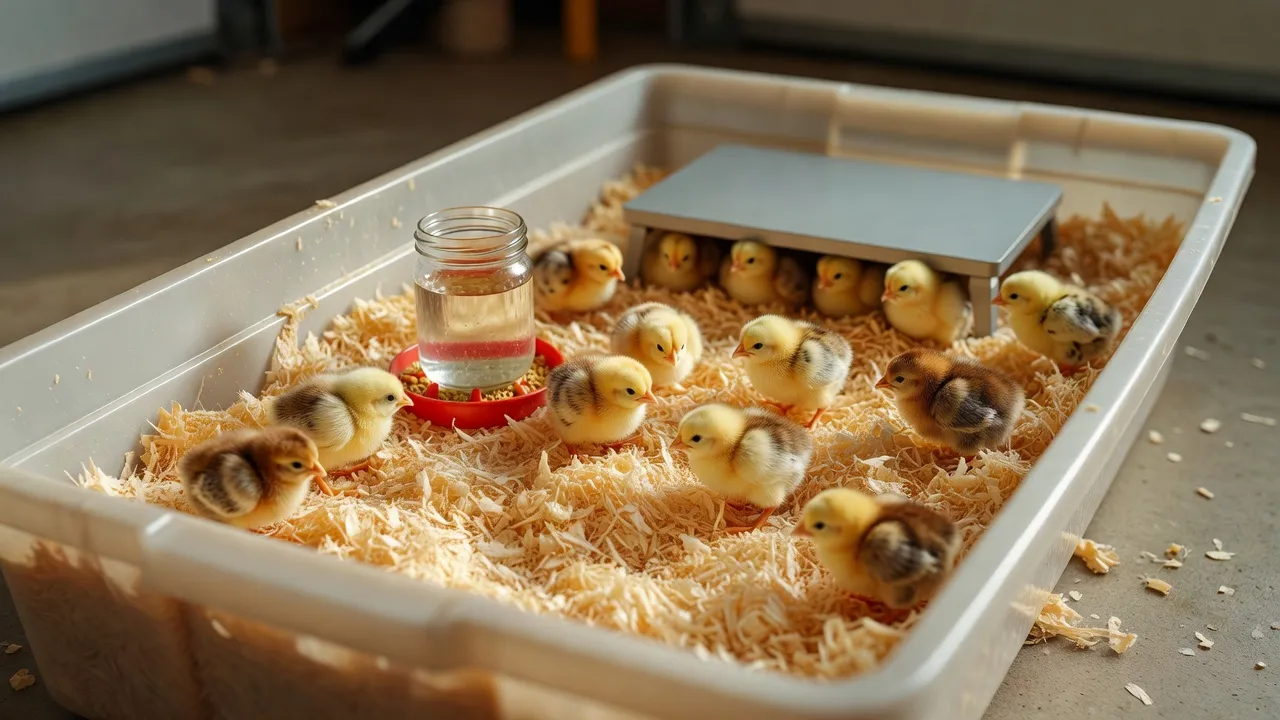
Chick Brooders
Brooders, heat plates and the temperature chart for chicks, with the floor-space math and running costs worked out.
A chick brooder is a draft-free box with a heat source, a feeder and a waterer, and it has to hold steady heat for about six weeks. Day-old chicks cannot regulate their own temperature (Alabama Extension), so the brooder does the job a hen would. The extension schedule is 95°F at chick level in week 1, then 5°F lower each week down to 70°F (UMaine Extension). Heat and floor space are the two numbers to get right before anything else.
Start with the box
Floor space is where first-timers go wrong. Give each chick 0.5 sq ft until week 4 and 1 sq ft until week 8. Six chicks need 3 sq ft at first and 6 sq ft by week 4. My chick brooder box and kit picks work the math out by chick count and compare a heated kit against a DIY box with a plate, with prices checked 2026-10-09.
Then pick the heat
A heat lamp is the old default, and Alabama Extension lists 125 and 250 W bulbs. A 12 W plate costs about $2 to run for six weeks, against about $46 for a 250 W lamp at the EIA’s 18.16 cents per kWh. The brooder heat plate roundup ranks four plates, turns each maker’s chick count into plates needed by batch size, and covers the hanging rules if you stay with a lamp.
Then watch the chicks, not the thermometer
Huddled chicks are cold, and panting chicks, or chicks wandering off from the heat, are too hot. The chick brooder temperature chart gives the weekly targets, the Purdue ranges around them, why some hatchery charts start hotter than extension, and why a heat plate needs your eyes instead of a thermometer.
Setup basics
Use 2 to 4 inches of pine shavings and skip newspaper, sand, straw and hay. Make the sides 12 to 18 inches high. Start the heat 24 hours before the chicks arrive. Put feed and water at the edge of the warm zone, not under the heat. When the chicks outgrow the box they need a coop, so see the coop kit picks and the winter heating guide before the move lands in cold weather.
Kyle's top picks
Kyle's top pick The Best Chick Brooder Boxes and Kits for Backyard Chicks
The best chick brooder box gives each chick 0.5 sq ft to week 4. Kyle compares kits and heat plates with prices, floor-space math and extension sources.
See the picks →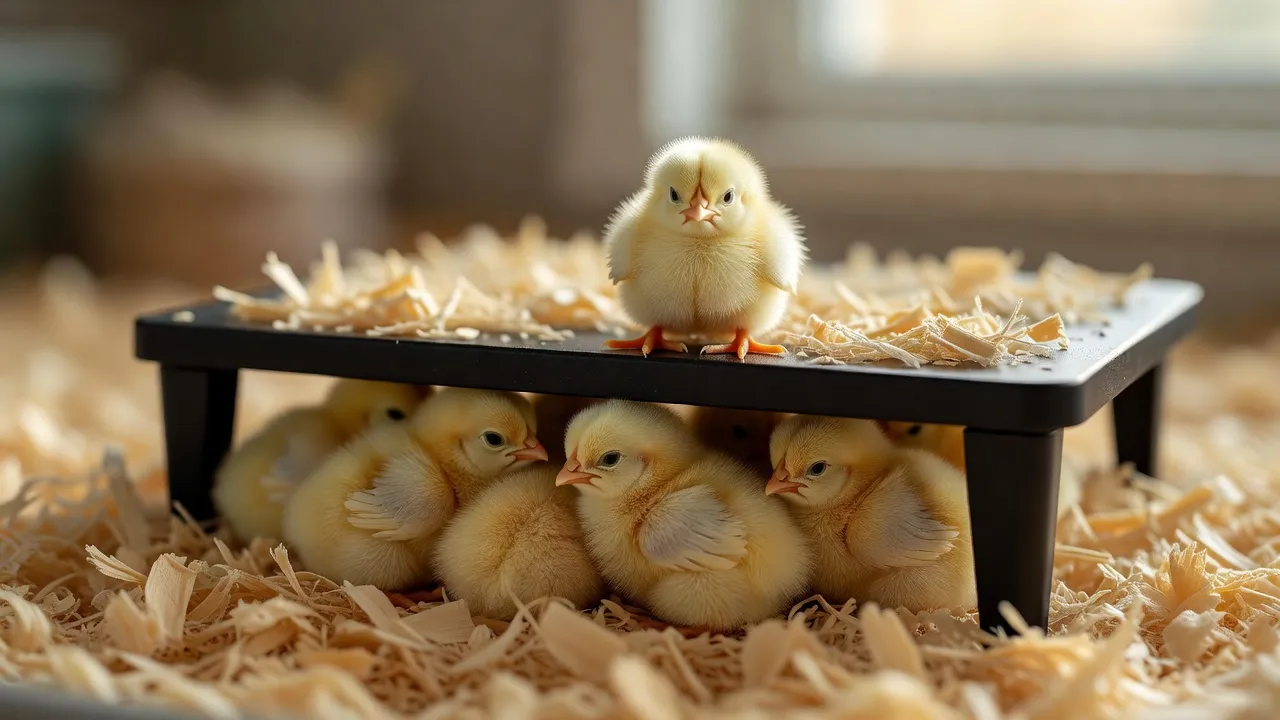
The Best Brooder Heat Plates for Chicks
The best chick brooder heat plate for most batches is a 12 W radiant panel. Kyle compares chick counts by age and six-week running cost against a 250 W lamp.
See the picks →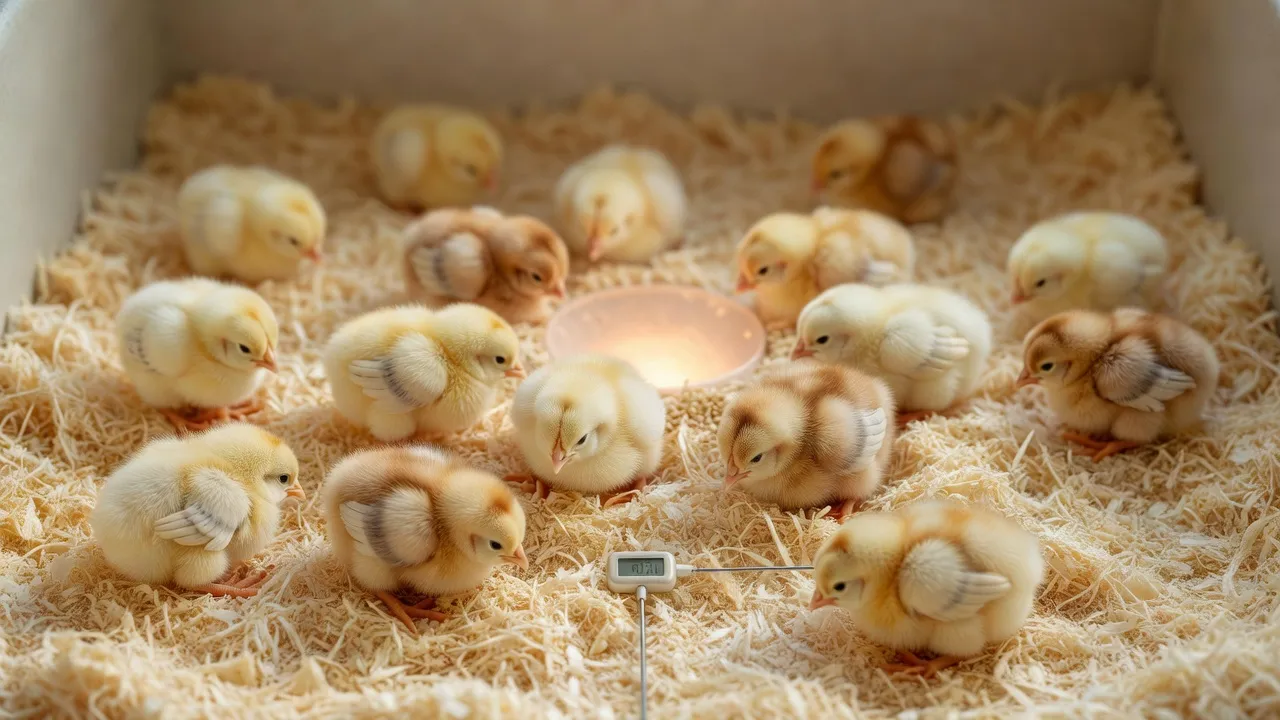
Questions people ask
How long do chicks need a brooder?
Heat runs about six weeks on the extension schedule: 95°F at chick level in week 1, then 5°F lower each week to 70°F (UMaine Extension). Alabama Extension says to keep stepping down until the chicks are comfortable at the temperature of their coop, so cold weather adds time. The temperature chart has every week.
How much space does each chick need in a brooder?
0.5 sq ft per chick until week 4, 1 sq ft from week 4 to 8 and 2 sq ft from week 8 to 12 (UMaine Extension). Six chicks need 3 sq ft at first and 6 sq ft by week 4. The brooder box picks turn that into box sizes.
Is a heat plate safer than a heat lamp?
A plate takes away the hanging bulb, which is the part that falls into bedding. Lamps need a chain, a porcelain fixture and 18 to 20 inches of clearance, never closer than 15 (UMaine Extension), and Penn State wants 20 inches from anything flammable. Plates also cost far less to run. The heat plate roundup compares them.
What bedding is best in a chick brooder?
Pine shavings, 2 to 4 inches deep. Alabama Extension rules out newspaper (too slick, splayed legs), sand (too cold) and straw or hay (not absorbent).
What temperature should a chick brooder be for day-old chicks?
95°F at chick level, which is 2 inches above the bedding (Alabama Extension). Chicks that huddle are cold and chicks that pant are hot. See the chick brooder temperature chart.
Keep exploring
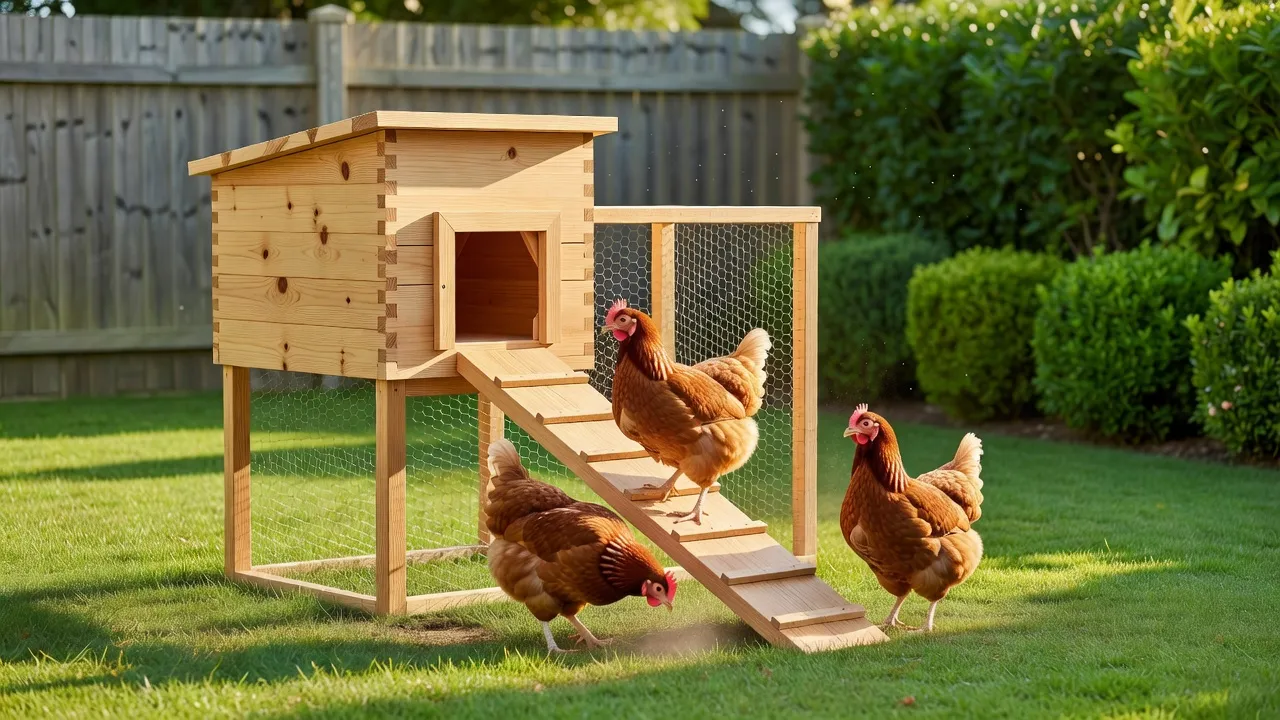
Chicken Coops
Chicken coops come as kits, portable tractors and walk-ins, and a coop sold for 10 hens often fits 5 to 8. Kyle explains what to buy for your flock, with sources.
Open the hub →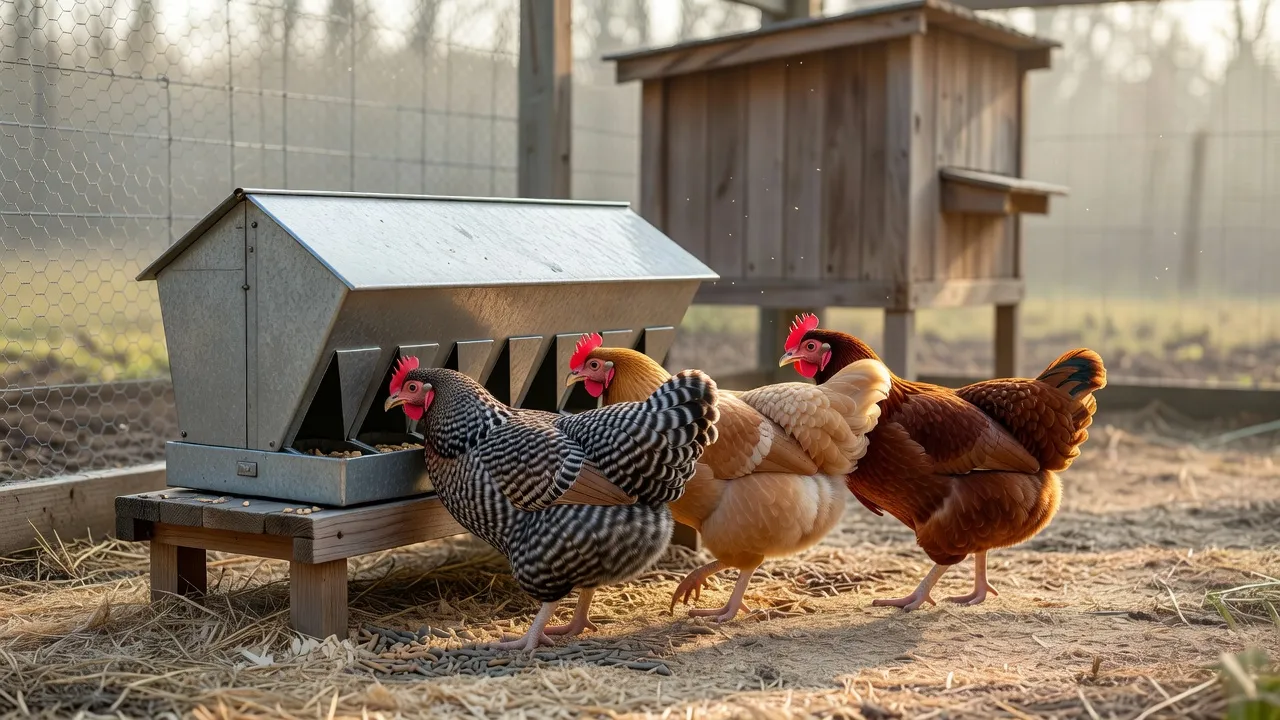
Chicken Feeders
A chicken feeder should waste less feed and not feed the rats. Kyle covers the best chicken feeders, rat-proof designs and treadle feeders, with sources.
Open the hub →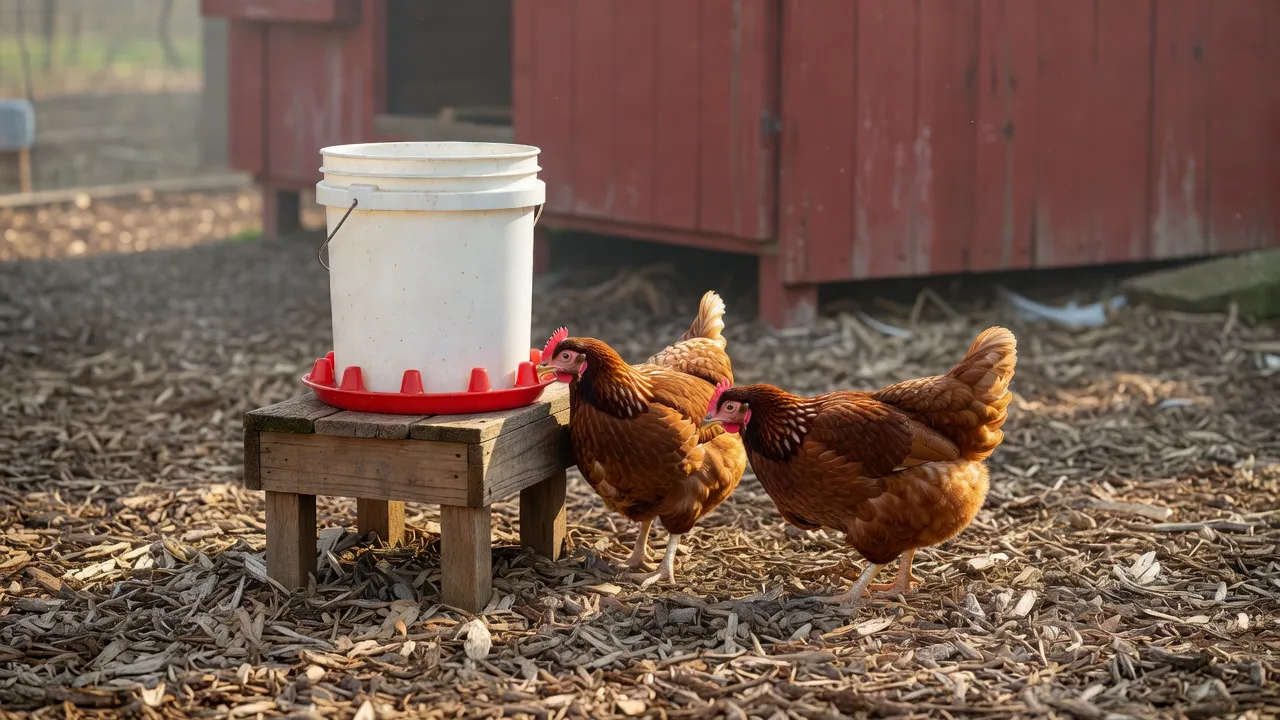
Chicken Waterers
A chicken waterer has to hold water, resist tipping and survive winter. Kyle compares heated, nipple and automatic waterers and links the owner complaints.
Open the hub →