
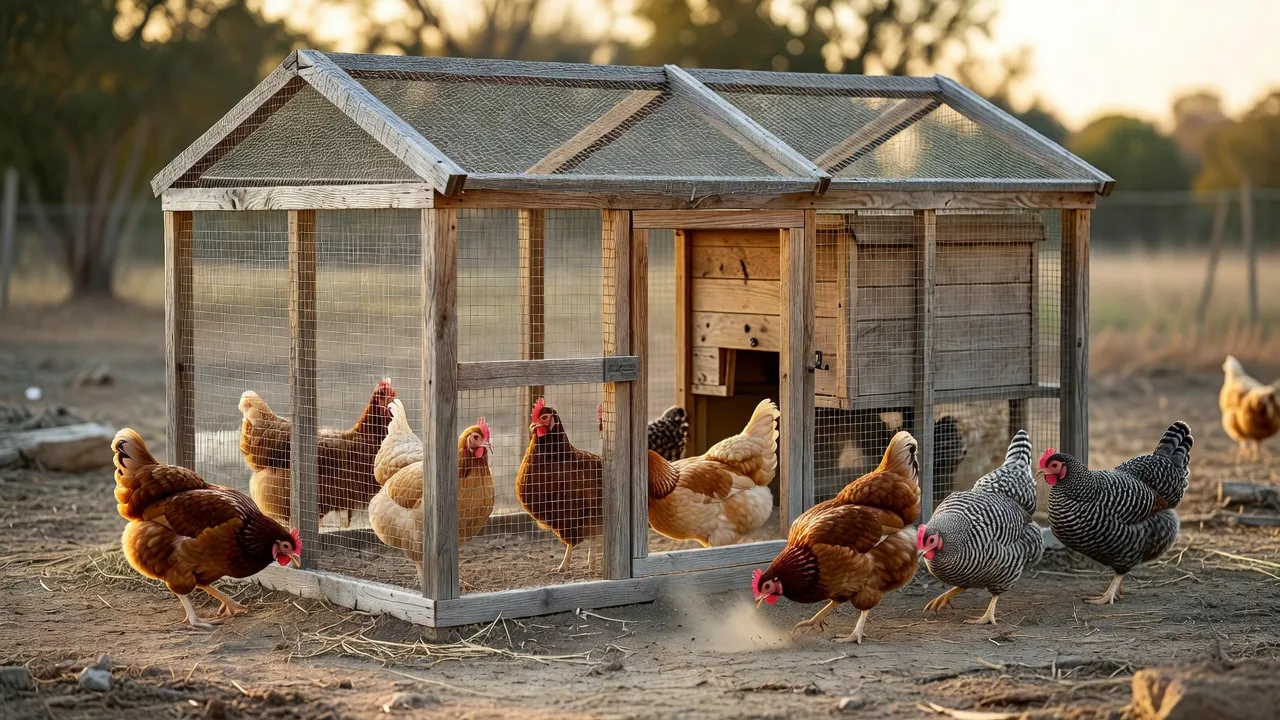
Chicken Runs
Size, wire, roof and the ground underfoot, with extension numbers behind each choice.
A chicken run is the fenced yard attached to your coop, and it has three jobs: give the hens room, keep predators out and stay dry underfoot. Get those three right and the rest is detail.
Room. Penn State Extension sets 8 square feet per laying hen in the run and 10 for large chickens, on top of the coop floor. Cornell Cooperative Extension uses a lower 4 to 5 square feet. I’d plan for the Penn State numbers, because adding on later costs more than building big once. The chicken run build guide turns those numbers into a size table by hen count, a chicken run material list with worked wire math, the build steps in order and chicken run cover options.
Cornell says predation is the most common cause of death in small flocks. Penn State says to bury the wire at least 12 inches deep and toe it outward about 6 inches, and the Small and Backyard Poultry extension site says a covered run is the easiest defense against a persistent hawk or owl. Chicken wire does not hold up to raccoons or weasels, so use welded hardware cloth. The hardware cloth guide covers mesh and gauge, and the predator-proofing guide covers latches, vents and doors.
Penn State says to build on high, well-drained ground and face the run south so the sun dries the soil. Woodchips are a good floor only while they stay dry and mold-free. The Merck Veterinary Manual says bedding that gets wet and then dries creates a major spore risk and that moldy bedding should not be used. The wood chips guide covers which chips to use, depth, drainage and when to replace them, and it has a calculator for how many bags a run needs.
Start with the build guide if you are planning a new run. If you already have one and the ground is a mess, start with the wood chips guide. If you are shopping for a coop and run together, the coops hub covers the options.
Every figure on these pages links back to an extension service or vet source, or is arithmetic from one, so you can check it.
Guides
How to Build a Chicken Run for Your Coop
Build a chicken run for your coop with 8 to 10 sq ft per hen, buried wire and a secure roof. Kyle gives the size table, materials math and build steps.
Read the guide →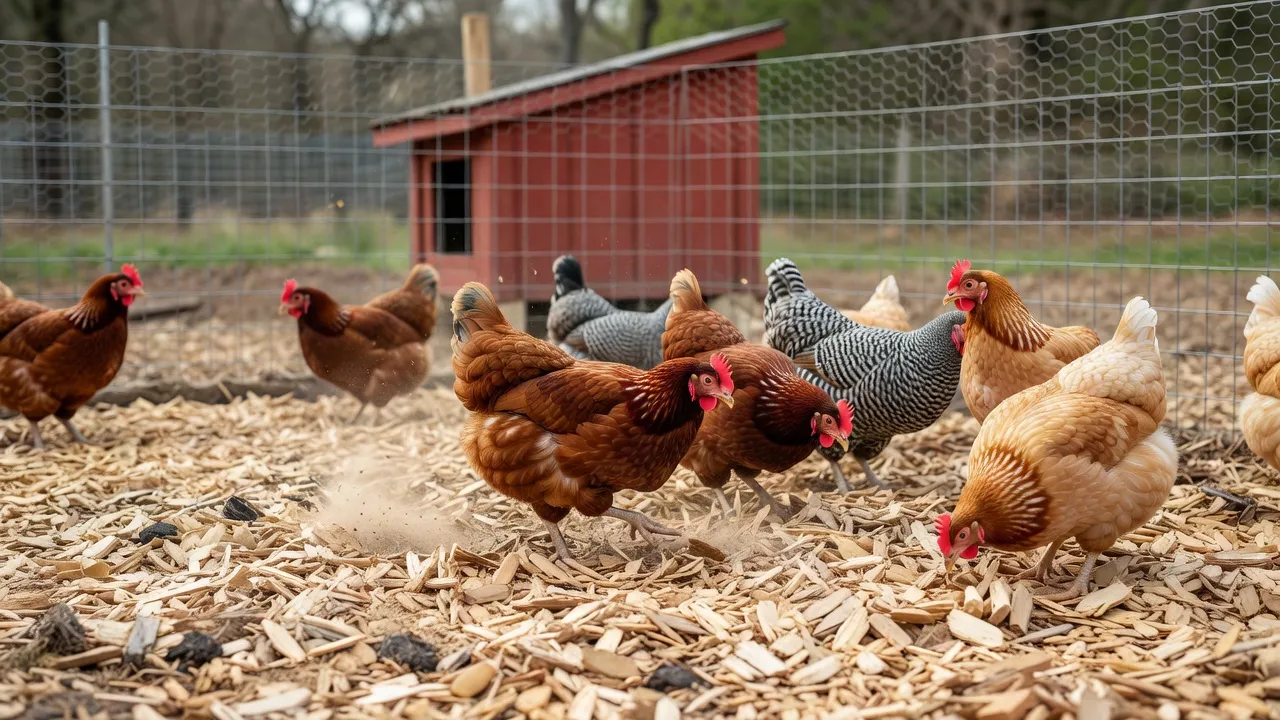
Woodchips in a Chicken Run: What's Safe
Woodchips for a chicken run are safe when they stay dry and mold-free. Kyle explains the mold risk, which chips to use, and how to handle depth and drainage.
Read the guide →Questions people ask
How much space does a chicken run need?
Penn State Extension sets 8 square feet per laying hen in the outside run and 10 for large chickens. Cornell Cooperative Extension gives a lower 4 to 5 square feet. The run build guide has a table by hen count.
Does a chicken run need a roof?
Yes. The Small and Backyard Poultry extension site calls a covered run the easiest protection from a persistent hawk or owl. Penn State says to cover outside runs with mesh wire or netting.
What should I put on the ground in a chicken run?
Something that stays dry. Cornell calls dry sand an ideal ground cover, and an Ask Extension reply recommends a gravel base to cut mud. Wood chips work when they are clean and mold-free, as the wood chips guide explains.
How do I keep predators out of a chicken run?
Use welded hardware cloth instead of chicken wire, bury it 12 inches deep with about 6 inches turned outward (Penn State), roof the run and lock the hens in the coop at night. The predator-proofing guide covers the full coop.
Keep exploring
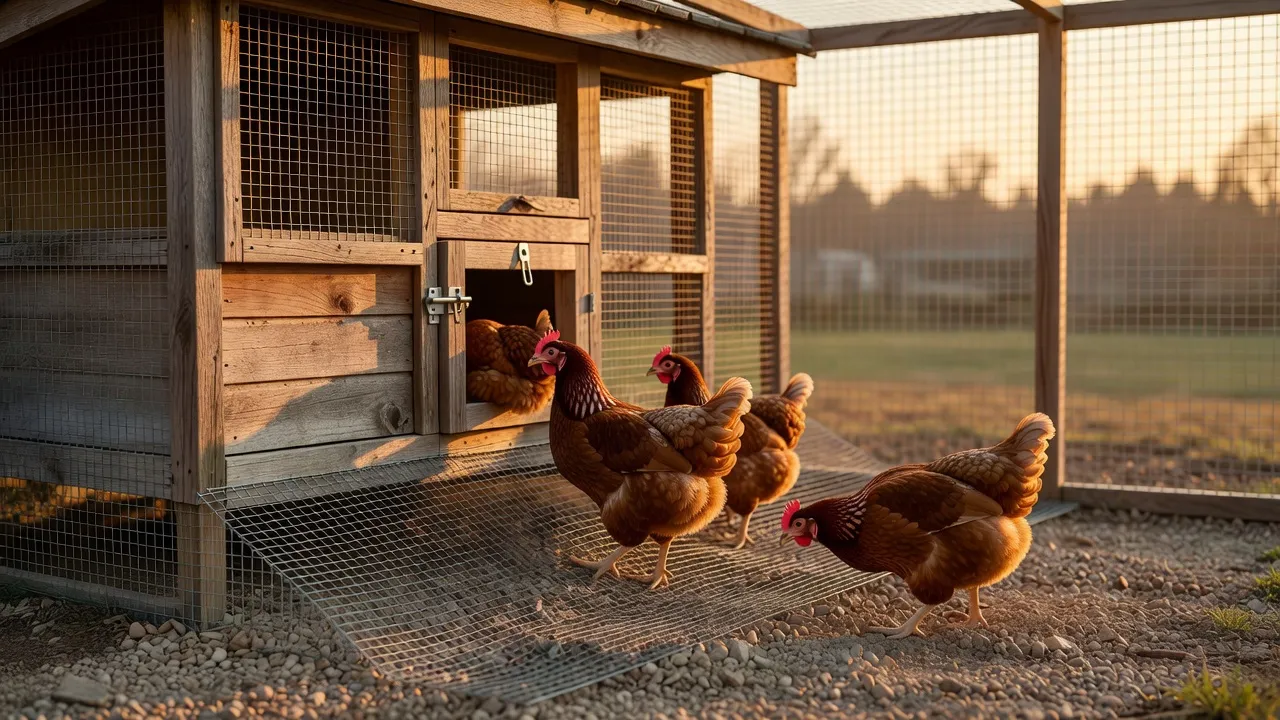
Predator Proof Your Chicken Run and Coop
Make a chicken run and coop predator proof with hardware cloth, buried wire, a roof and two-step latches. Kyle's guides cite extension services for every figure.
Open the hub →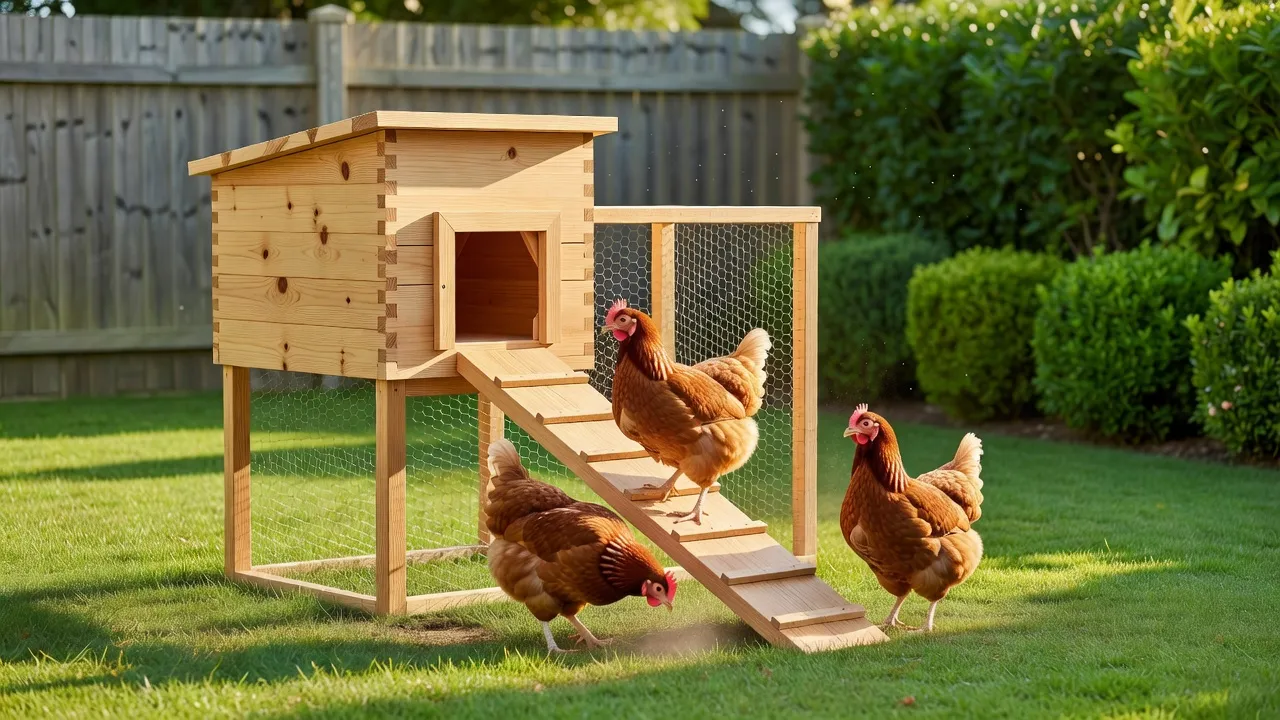
Chicken Coops
Chicken coops come as kits, portable tractors and walk-ins, and a coop sold for 10 hens often fits 5 to 8. Kyle explains what to buy for your flock, with sources.
Open the hub →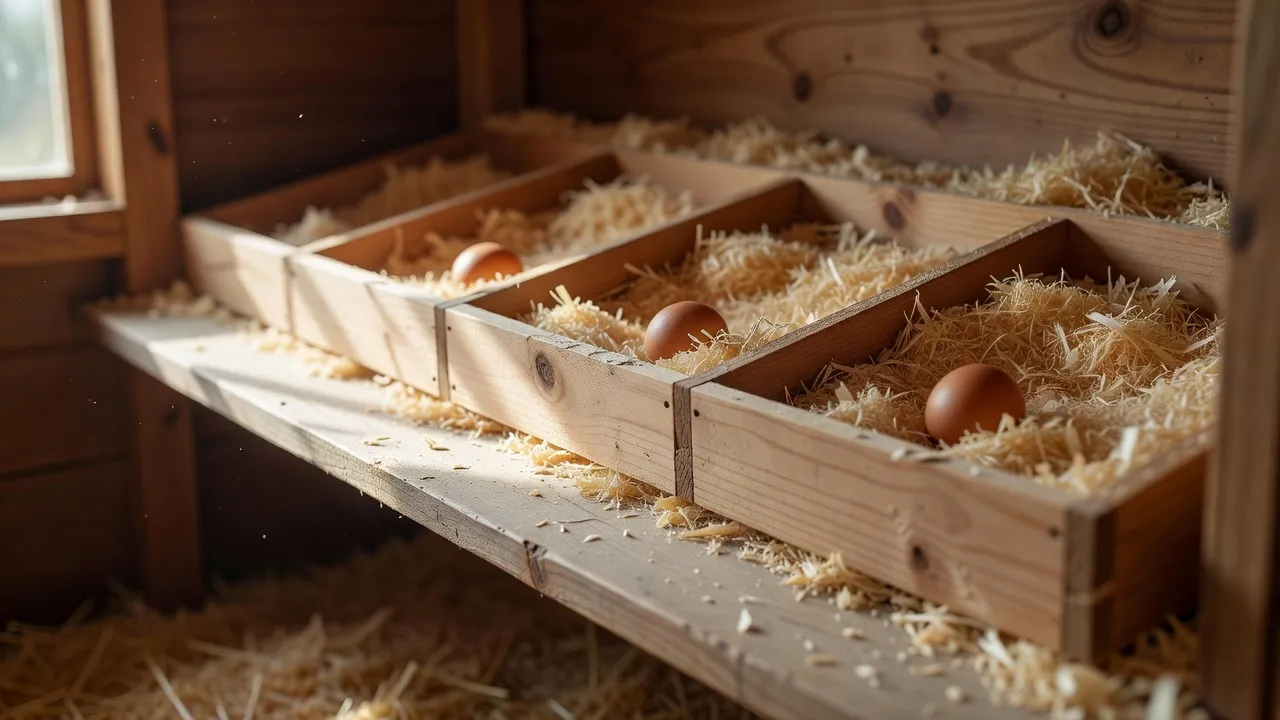
Nesting Boxes for Chickens
Nesting boxes for chickens: how many to build, what size and height they need, and which to buy. Kyle's coop gear guides, with every figure sourced.
Open the hub →