On this page
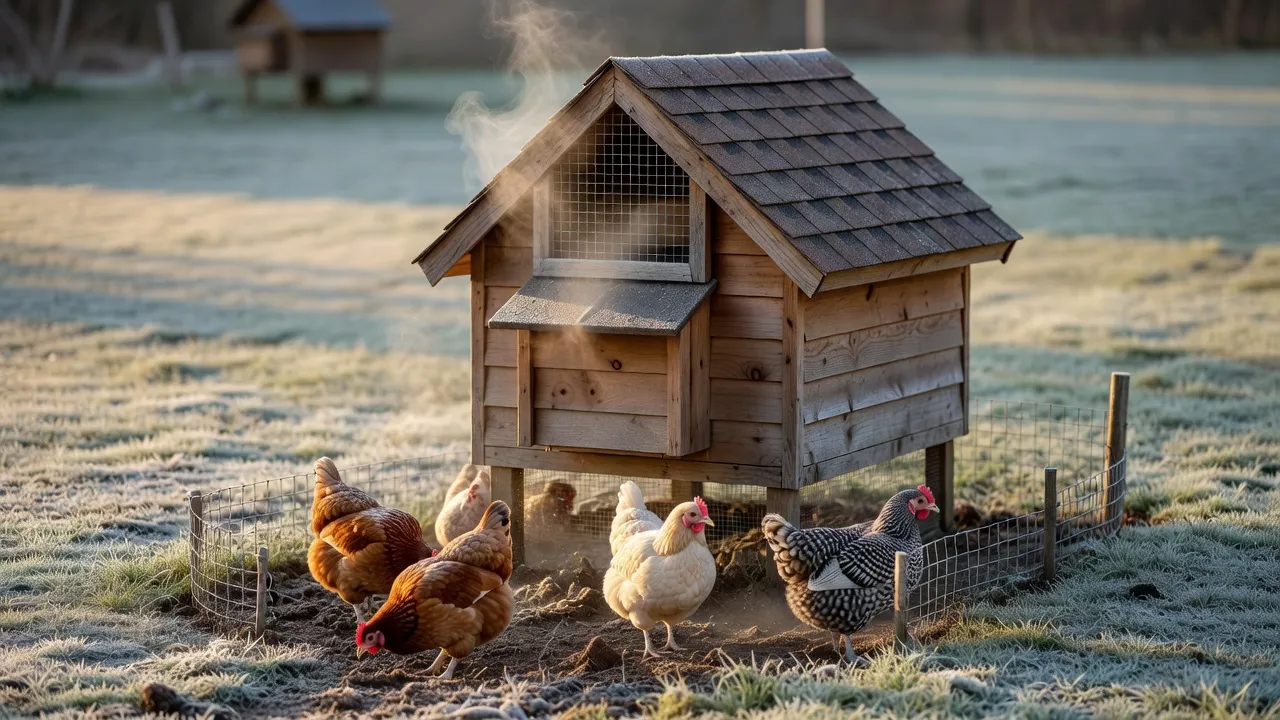
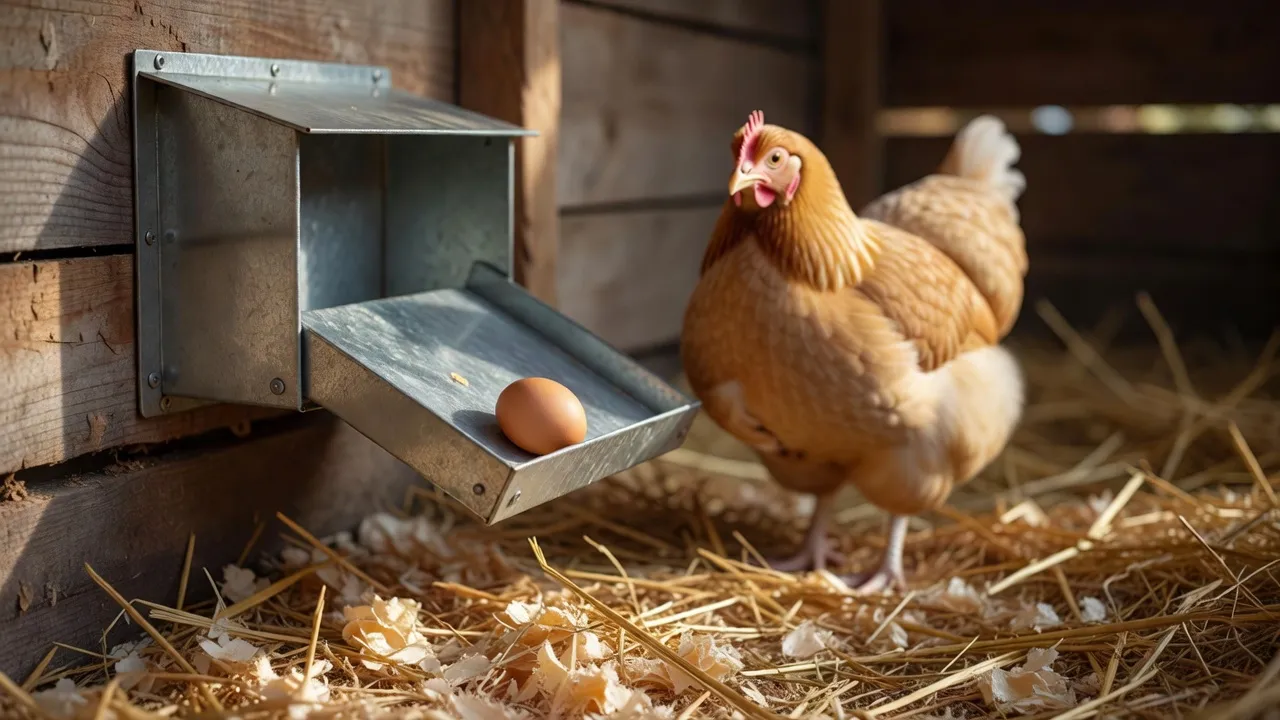
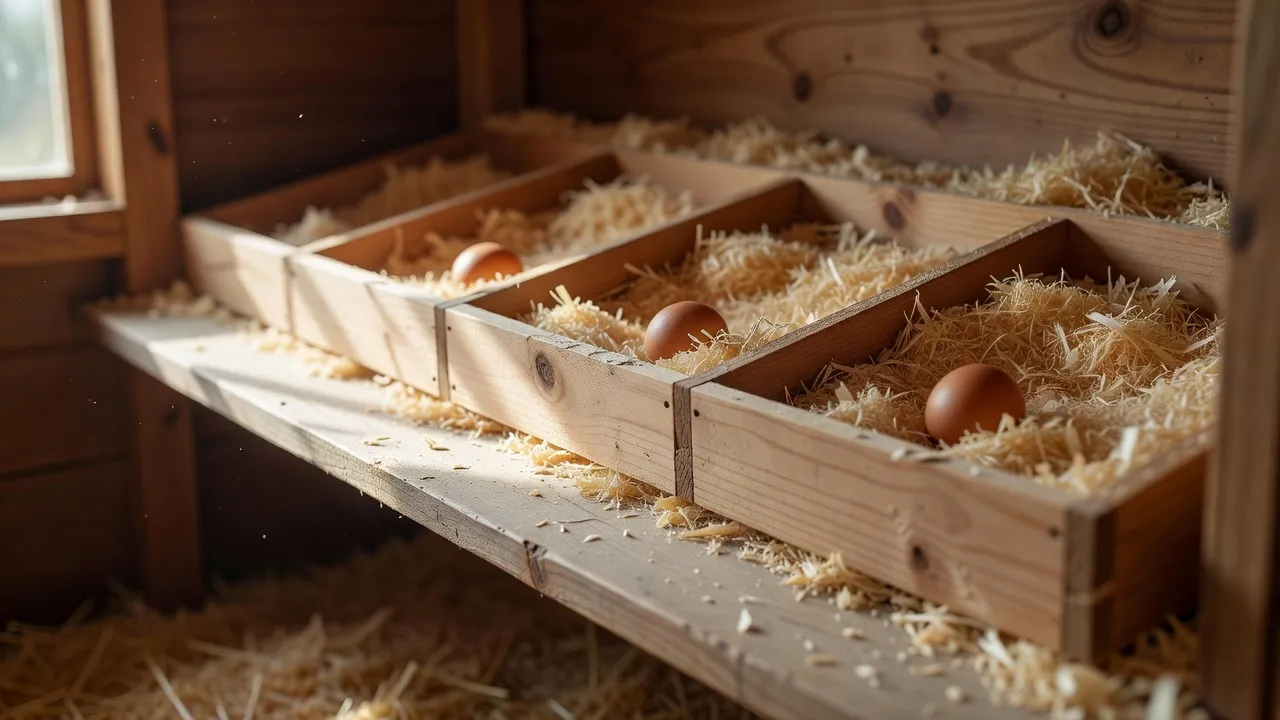
Start with dry pine shavings because coop bedding needs to absorb moisture and dry again, as Cooperative Extension explains. Pine is its preferred softwood litter. If you are deciding what to put in your chicken coop floor, use it over a sound, dry floor. Choose bedding that suits your cleanup method, door clearance and waterer setup.
Short answer
Dry pine shavingsA practical starting point for indoor litter.
Keep the material dry and loose. Remove wet or caked spots, find the moisture source and replace what you remove with fresh bedding.
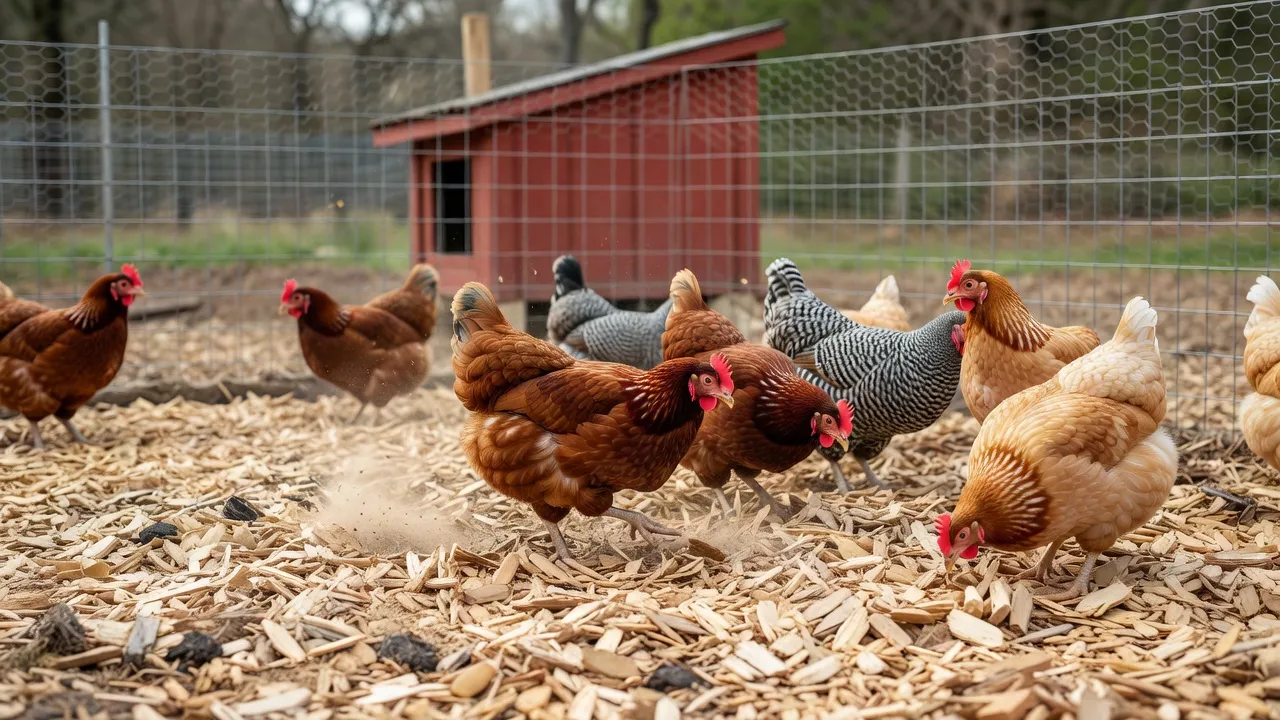
This page covers indoor bedding in the coop gear guides. For the outdoor run, use the separate wood chips for a chicken run guide.
Choose bedding for the job you will do
| Material | When I would consider it | What your cleanup plan needs |
|---|---|---|
| Pine shavings | A straightforward indoor starting point | A scoop or shovel, dry bag storage and removal of damp patches |
| Chopped straw | Local availability makes it convenient | Checks beneath the surface for matting and wet patches |
| Sand | A dry setup designed around frequent scooping | Suitable floor support, a sifting tool and a way to remove used sand |
| Rice hulls | Sold locally as clean poultry litter | A reliable supplier and a removal route for loose material |
| Hemp bedding | You want to compare an available packaged alternative | Read the supplier’s intended use and compare actual replacement effort |
The first question is how you will remove manure. Will you shovel out mixed bedding, scrape a droppings board or sift loose litter? Buy the tool before filling the floor. A litter system that looks convenient in a large walk-in building can be awkward in a raised coop with a narrow tray.
The second question is storage. Keep replacement bags off a wet floor and protected from rain. Check an opened bag before spreading it. Cheap material loses its appeal if storage leaves it damp before it reaches the coop.
Pine shavings are the starting choice
The Cooperative Extension litter guide favors softwood shavings, with pine preferred. It describes good litter as absorbent, able to dry and free of harmful contaminants. Choose a product intended for animal bedding with a known material source.
Shavings, fine sawdust and coarse outdoor chips are different materials. Check what the bag contains rather than treating every wood product as interchangeable. Ask the supplier if the material comes from treated or painted wood; unknown workshop scraps are a poor buying shortcut.
Spread litter so you can still use the door and cleanout tray. Keep a threshold clear enough that the pop door closes fully. A deeper layer changes ramp height and clearance around equipment, so inspect those points after refilling.
Straw needs checks beneath the top layer
Chopped straw is an alternative if you can obtain it clean and dry. The extension bedding guide warns that straw can cake and that long pieces mat faster. A dry-looking top layer can hide the condition of the material underneath.
Check whether your scoop can lift matted bedding without dragging a whole layer across the floor. If it cannot, a different tool or shorter material could simplify removal. Store the spare bale where roof runoff cannot reach it.
Avoid choosing floor litter solely because it looks tidy in photographs. The work happens after manure and water have mixed with it. Consider how you will carry used material through the coop door and where you will dispose of it.
Sand changes the cleanup routine
Cooperative Extension describes sand research in commercial broiler houses, with favorable results in that setting. Those studies do not turn sand into a universal choice for a small raised coop.
Before filling a tray or raised floor, ask the coop maker whether the structure supports the planned material and depth. Check the removal path too. Sand that arrives in bags still needs to leave the coop later, and a scoop full of it handles differently from a scoop of shavings.
I would consider sand only after deciding how to sift waste, keep water away from it and replace the material when needed. Buy a tool that suits the particles. Do not assume any bag sold for construction or landscaping is suitable poultry litter; ask the supplier about the intended use and composition.
Start with a clean, dry floor
Check the building before covering it. Look for a leaking roof, a threshold that admits rain and floor seams that trap dirty water. Use the cleaning supplies guide to plan removal and washing when the floor needs a full clean.
Minnesota Extension gives a starting layer of 2 to 4 inches for its chick and pullet housing setup. Treat that as a cited starting reference for that system, not a fixed depth for every adult-hen coop. The coop’s tray depth, doors and equipment must still work.
Fill cleanout corners without packing litter against the door mechanism. Put portable equipment back, check the drinker for leaks and confirm the birds can reach it. Leave yourself a way to inspect the actual floor rather than burying it beyond reach.
Find the cause of repeated wet patches
A wet patch beside the waterer calls for a waterer check. A patch along the wall after rain calls for a building check. Damp litter throughout the coop calls for a look at ventilation and the amount of moisture entering the building.
Minnesota Extension advises a platform beneath waterers to reduce wet litter, removal of wet and caked patches, and ventilation to remove moisture. Match the support to the waterer’s instructions and the birds’ ability to drink.
| Where litter keeps getting wet | First thing to inspect |
|---|---|
| Immediately beneath the drinker | Leaks, splashes, level support and connection seals |
| Along a wall after rain | Roof edges, wall joints and runoff at the foundation |
| At the doorway | Threshold, ramp drainage and rain entry |
| Beneath a dense manure patch | Cleanup access and whether a droppings board would simplify removal |
| Throughout the building | Moisture entry and the ventilation arrangement |
The chicken coop ventilation guide covers airflow. The waterer comparison covers equipment choices. More bedding will keep costing money if the same leak remains.
Deep litter still needs management
Decide how you will check the lower layer before choosing a deep bedding system. Keep a removal route open and a container ready for the eventual cleanout. A floor piled above the door threshold is a building problem even if the surface looks clean.
Remove wet litter
Do not keep covering a persistent wet patch with fresh material. Remove the affected litter, inspect the floor underneath and correct the source of water.
Choose a full-removal schedule around the litter condition and your housing system. A calendar reminder is useful for an inspection; it cannot show you what is happening beneath a roost or waterer. After a cleanout, note which places were hardest to reach so your next equipment choice improves access.
Buy bedding without losing track of the work
Compare bag size, intended use and how much material you actually remove. A bag with a lower shelf price can require more frequent replacement. Keep your own notes before claiming one bedding saves money in your coop.
Questions people ask
What should I put on the floor of my chicken coop?
Dry pine shavings are a sound starting point for an indoor coop. Choose clean bedding, remove wet patches and keep water from reaching the floor. Bedding cannot fix a roof leak or poor drainage.
Can I use straw in a chicken coop?
Chopped straw is an option, but it can mat and cake. Check beneath the surface and remove damp material. Long stems are harder to manage than chopped material.
Is sand better than wood shavings?
Sand can suit a dry, scoop-cleaned setup, but it changes how you remove manure and handle floor weight. Commercial broiler research does not establish the best choice for every raised backyard coop.
Are wood chips for a run the same as indoor bedding?
No. A run is exposed to rain and soil drainage; indoor litter sits over the coop floor and collects manure. Use the separate wood-chip run guide for outdoor ground cover.
Does deep litter mean I never clean the coop?
No. It still needs litter checks, removal of wet or caked patches and a plan for full removal. Do not bury persistently wet bedding beneath fresh material.
Sources

Written by Kyle
Kyle has kept backyard chickens on his own small farm for five years. He reads the extension research, the spec sheets and the owner complaints, then tells you what he would buy and what he would skip.