On this page
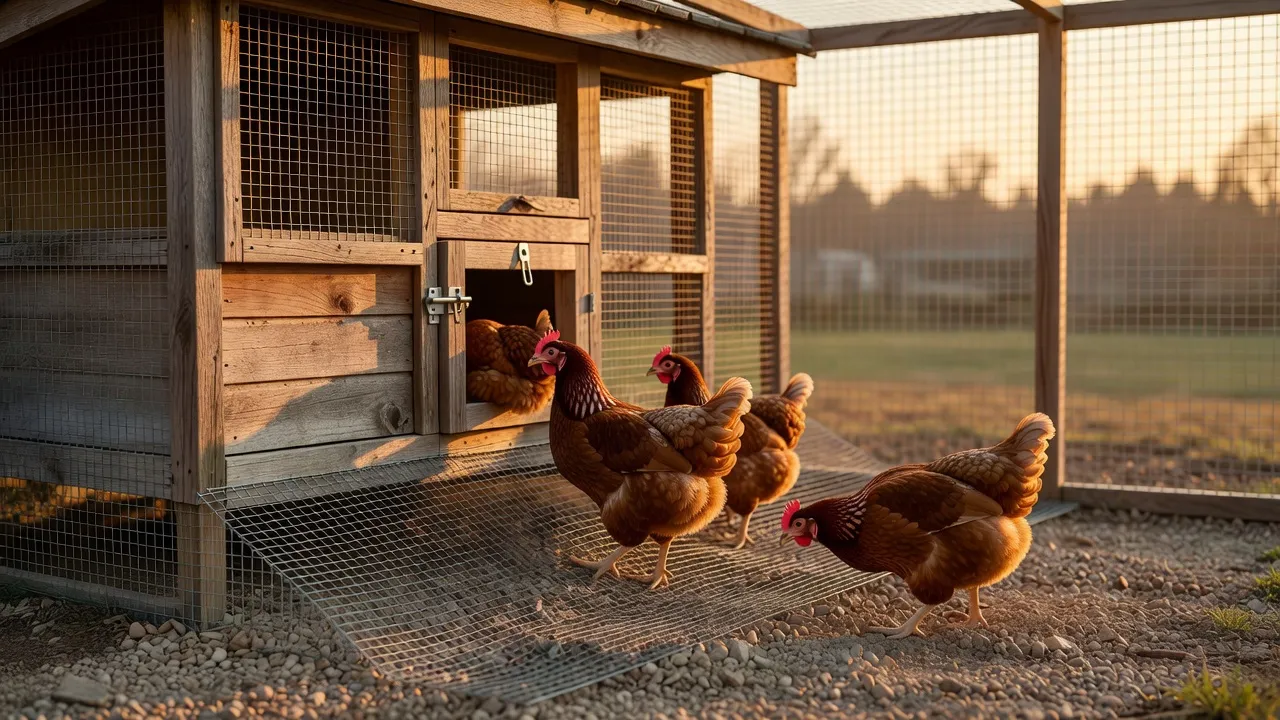
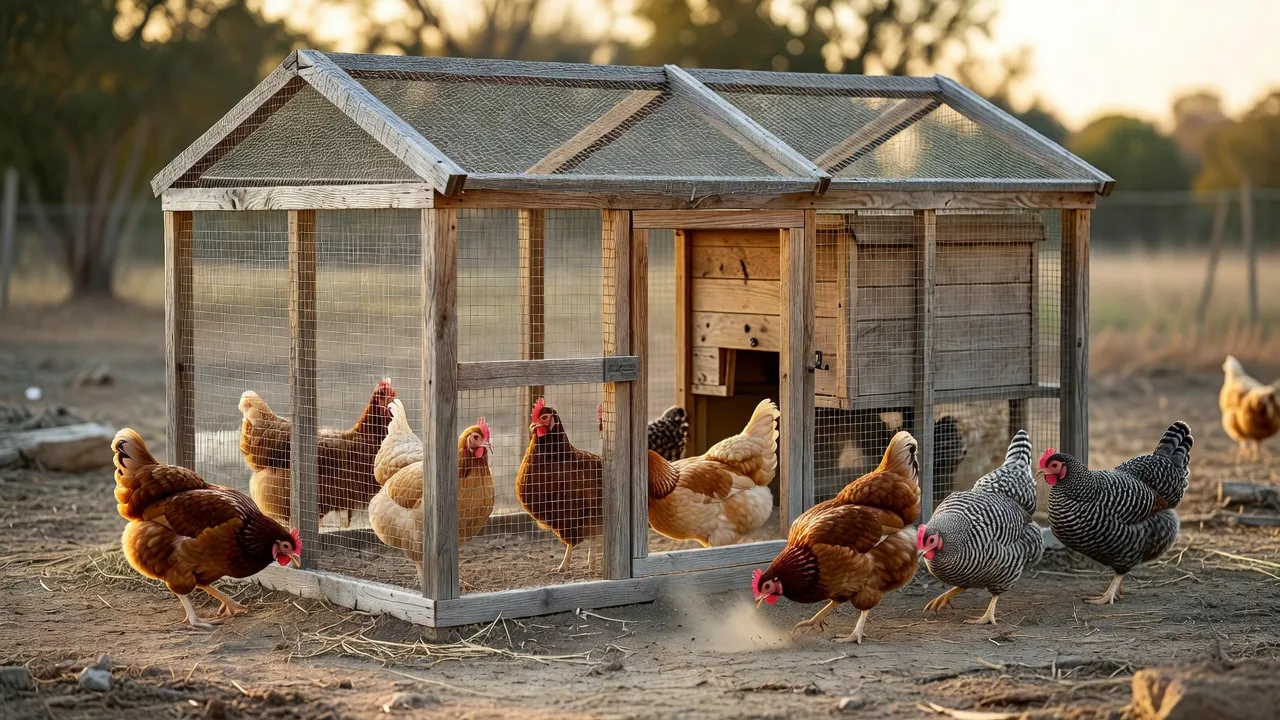
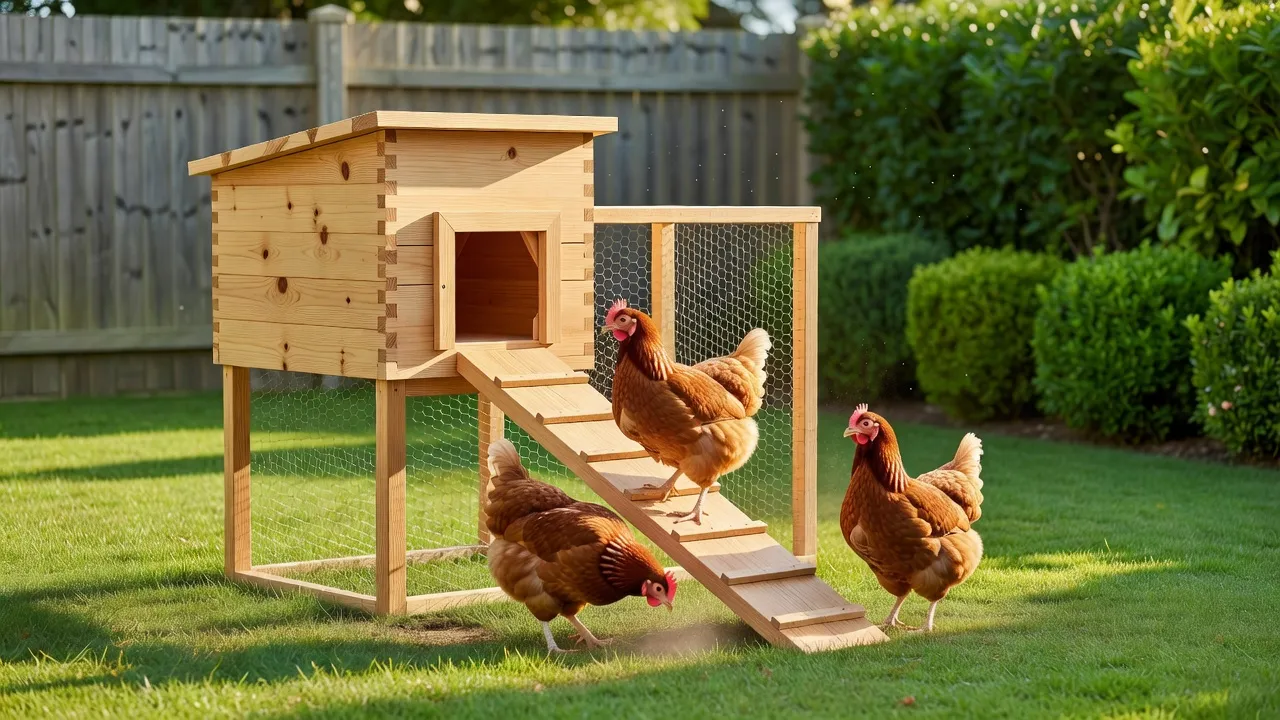
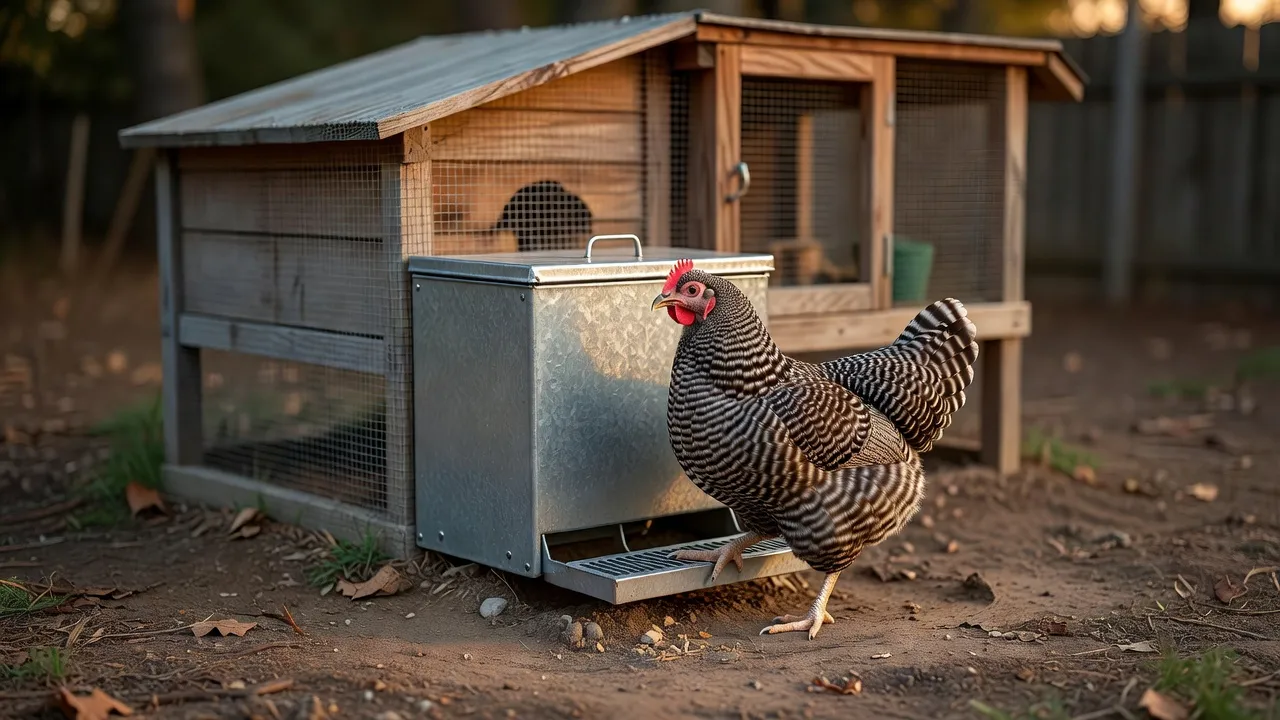
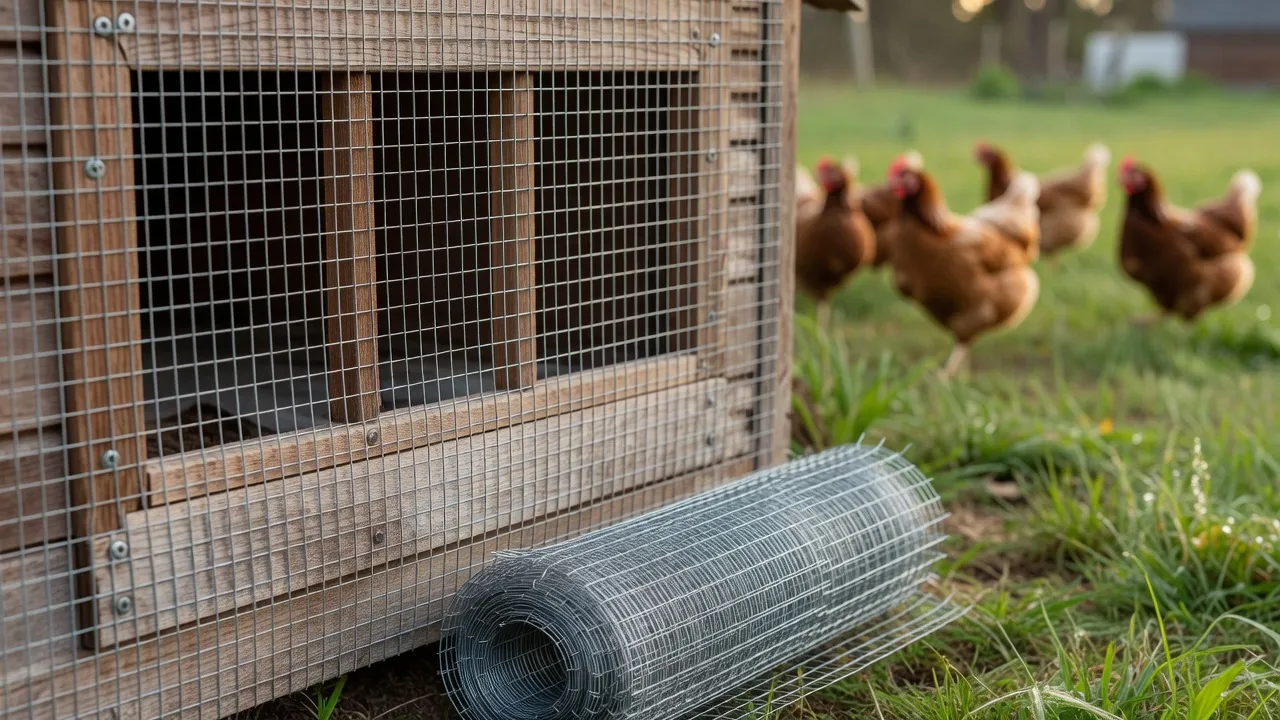
The best hardware cloth for a chicken run is ½-inch, 19-gauge, galvanized, welded mesh. It sits under every opening limit extension services set, and the zinc coating protects the wire from rust. Use it on the coop’s vents and windows, the lower walls of the run, the apron and the roof.
The shelf is crowded with rolls that look alike, so this page covers the choices that matter: mesh by predator, gauge, the galvanizing, how many rolls your coop and run need and how to fasten it. It is part of the predators hub, and the dig barriers, latches and roof are in the predator-proofing plan.
Short answer
½ inch, 19 gaugegalvanized after welding
Buy ½-inch mesh in 19-gauge, galvanized after welding or weaving, in a roll width that matches your wall height so you make fewer seams. Fasten it with screws and washers, never staples.
Mesh size by predator
Smaller openings stop more predators, and the extension numbers are ceilings, not targets. Here is where each opening size fits:
| Opening | Where it fits | Why |
|---|---|---|
| ¼ inch | Vents and gaps at roost height where snakes are a worry | Maryland says to limit gaps larger than ¼ inch where chickens roost |
| ½ inch | My pick: windows, vents, lower walls, apron, roof | Well under both extension limits below |
| Under 1 inch | The ceiling for windows and doors | Oklahoma State: hardware cloth or screen should have holes smaller than 1 inch |
| 1 by 2 inch (welded wire) | Budget step down for upper walls under a real roof | Colorado State: you lose fewer birds with 1-by-2-inch or smaller than with 2-by-3-inch |
| 2 by 3 inch | Skip | Colorado State puts it behind the smaller mesh for bird losses |
| Chicken wire | Keeping hens in, nothing more | Raccoons grab birds through fence holes and eat the head, per Oklahoma State |
Mesh size matters most where raccoons are, and Colorado State adds that the mink and fisher family call for the same small mesh. Penn State also warns against any gap or wire large enough for a bird to push its head through, since birds catch and tear their combs. On a hen run that is another reason to go small.
Where it goes: walls, apron, floor, vents and roof
Put the finest mesh where a predator can reach it and the cheapest where it cannot. This is the map I’d follow:
| Location | Mesh | Why |
|---|---|---|
| Windows and vents | ½ inch (¼ inch at roost height if snakes are a worry) | Oklahoma State wants windows and doors screened with hardware cloth; Penn State says heavy-gauge mesh wire |
| Coop walls and the lower run walls | ½ inch | This is where a raccoon can reach through |
| Upper run walls | ½ inch, or 1 by 2 inch welded wire under a real roof | Colorado State’s 1-by-2-inch mesh limit |
| Roof | Hardware cloth or welded wire on a frame | A cover stops raccoons climbing in and keeps birds of prey out |
| Apron or buried skirt | ½ inch | Penn State: bury wire at least 12 inches and turn it about 6 inches out |
| Under a ground-level coop | ½ inch, fastened to the frame | Colorado State says to raise the coop and keep the floor tight |
The apron and skirt are the part most builds skip. A digging predator starts at the base of the wall, so the mesh at ground level is the part to get right. The predator-proofing plan has the burial depths from each extension service and a step-by-step for both methods.
Gauge explained
Lower gauge numbers mean thicker wire, so 16-gauge is heavier than 19-gauge and 23-gauge is thinner still. I’d buy 19-gauge for coops and runs. It is the spec you will see on ½-inch rolls from sellers such as Hutchison’s HW Brand and in Do it Best’s 24-inch by 5-foot roll.
The extension pages I cite set opening size and name no gauge, so 19-gauge is my pick, not an extension rule. Pick a roll that states its gauge on the listing. If it lists only a mesh size, you cannot tell how thick the wire is.
Galvanized before or after welding, and vinyl-coated
Choose rolls galvanized after welding or weaving. Hutchison describes a heavy zinc coating applied after weaving, and that order is what I’d look for. The zinc goes over the joints too, so no bare weld is left to rust. Some listings say galvanized before welding, so read the line.
Vinyl-coated (usually black) cloth is the same mesh with a plastic jacket. I would pay extra only for looks, since black mesh fades into the background when you view the run from the patio. Some keepers switch to black, as in this video about switching to black hardware cloth, or paint galvanized mesh. If you paint it, read the can: you want a product labeled for galvanized metal.
How much hardware cloth do I need?
Add up three areas: walls, apron and roof. The formula is perimeter times wall height, plus perimeter times apron width, plus the roof area. Keeper guides put a surface apron at 12 to 24 inches out from the wall.
Here is the math for an example run, 8 by 12 feet with 6-foot walls, a 2-foot apron and a full roof. The dimensions are made up to show the steps, so swap in yours:
| Part | Formula | Example |
|---|---|---|
| Walls | perimeter × height | 40 ft × 6 ft = 240 sq ft |
| Apron | perimeter × apron width | 40 ft × 2 ft = 80 sq ft |
| Roof | length × width | 12 ft × 8 ft = 96 sq ft |
| Total | add the three | 416 sq ft |
| Rolls | total ÷ (roll width × roll length) | 416 ÷ 150 sq ft per 3-by-50-foot roll, so three rolls |
If you bury the wire the Penn State way, 12 inches down and about 6 inches turned outward, plan for about 18 inches of cloth below the wall instead of a 2-foot apron. Windows, vents and the pop door add a little on top.
Round up. Cutting and seams eat material, and a 6-foot wall from 36-inch rolls needs two courses with a seam in the middle. A wider roll cuts the seams. Hutchison lists rolls 24 to 36 inches tall in 5, 10 and 50-foot lengths, and wider formats exist, such as the 48-inch by 80-foot roll in this video review listing. I am not quoting prices because they move. Multiply your square feet by your store’s price per square foot, or divide the roll price by the roll’s area.
What to look for on the roll
I am not ranking brands. Check the label against this list, and any roll that matches is a candidate:
- Mesh: ½ by ½ inch.
- Gauge: 19, stated on the listing.
- Finish: galvanized after welding or weaving. The listing should say so.
- Width: close to your wall height or half of it, so seams land where you want them.
- Length: enough for the whole job, so you are not stitching short offcuts together.
- Weld quality: look at the joints when it arrives. Cracked or missing welds are a return.
The examples above are listings I read for their specs, not endorsements. I do not have prices checked for specific rolls, so I am leaving them off the page rather than guessing.
Installing: screws and washers, not staples
Fasten hardware cloth to the frame with galvanized screws and washers. In my view staples work loose, and zip ties and wire, which keeper groups use a lot, give at the edges where a predator pulls. A washer spreads the load so the screw head cannot pull through the mesh.
- Build a solid frame first. Mesh over a flimsy post is only as strong as the post.
- Cover each opening wall to wall, so no gap is left between the mesh and the posts.
- Cut with snips and wear gloves. Cut ends are sharp, for you and for your hens.
- Screw it every few inches along each edge, with a washer under each head, and along any seam.
- Overlap the seams and fasten through both layers.
- Join the bottom to the apron or trench wire with no gap. A tight joint matters, since digging predators start at the base.
- Turn or cover any raw edge so nothing sharp faces the birds.
For the burial depths, apron widths and latch details, use the full predator-proofing plan. If you are sizing a run, the chicken run guide helps, and a coop kit is worth checking for how much of the mesh work comes done.
Questions people ask
What size hardware cloth keeps out predators?
Oklahoma State says holes smaller than 1 inch on hardware cloth or screen, and Colorado State says you lose fewer birds with 1-by-2-inch or smaller welded wire. I'd buy ½-inch, which sits well under both. Use ¼ inch or less at roost height where snakes are a worry.
What gauge hardware cloth for chickens?
I'd buy 19-gauge. Lower gauge numbers mean thicker wire, and 19-gauge is the spec on the ½-inch rolls from sellers such as Hutchison and Do it Best. The extension sheets I cite set opening size and name no gauge, so this is my pick, not an extension rule.
Is chicken wire enough?
It keeps hens in. It does not keep a raccoon out, because Oklahoma State describes raccoons grabbing birds through fence holes. Use hardware cloth on every opening and on the lower run walls.
How do I attach hardware cloth?
Screw it to the frame with galvanized screws and washers along every edge and seam. In my view staples work loose and zip ties give, and both leave a spot a predator can pry. See the install steps below.
Is hardware cloth predator proof?
It is the right mesh, not the whole defense. Keepers ask this often, as in this r/BackYardChickens thread. Predators also dig, climb and work latches, so pair the mesh with a dig barrier, a roof and two-step latches, as in the full predator-proofing plan.
Sources
- Colorado State University Extension: Chickens and predators
- Oklahoma State University Extension: Protecting small poultry flocks from predators (AFS-8221)
- Penn State Extension: Small-scale poultry housing
- University of Maryland Extension: Prevention of predation
- Hutchison: HW Brand hardware cloth, ½ x ½ (manufacturer listing)
- Do it Best: ½ in. mesh, 24 in. x 5 ft., 19-gauge hardware cloth (retailer listing)
- r/BackYardChickens: I thought hardware cloth was predator proof?
- YouTube: Black hardware cloth for chicken coops and gardens (Misty Finds)
- YouTube: Review of 1/2 inch 48in x 80ft 19 gauge hardware cloth (SUPER MOM Reviews)
- My Favorite Chicken: Predator apron for a chicken coop and run

Written by Kyle
Kyle has kept backyard chickens on his own small farm for five years. He reads the extension research, the spec sheets and the owner complaints, then tells you what he would buy and what he would skip.